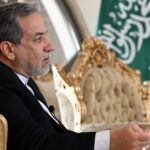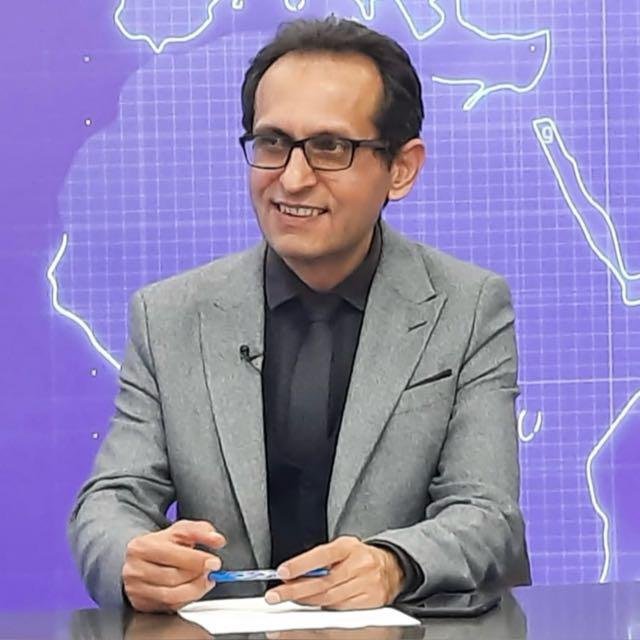
Voice of Emirates – Iranian journalist and political analyst Mohammad Rahmani Far revealed details of US policy toward Iran. He asserted that the Trump administration decided to abandon and marginalize the Kurdish card as a tool for military pressure against the regime in Tehran. He explained that this approach stemmed from a strategic vision that recognizes the complexities of the region’s ethnic makeup.
In an exclusive interview with “Voice of Emirates” Rahmanifar explained that the idea of using the Kurds as a ground force to undermine the Iranian regime was originally a “plan and proposal” from Israeli Prime Minister Benjamin Netanyahu. However, President Trump did not express confidence in these groups. Even during his first term, he maintained this stance.
Trump and the truth about “angels”
Rahmanifar cited Trump’s previous statements that “the Kurds are not angels.” He pointed out that the US president was fully aware of the abuses committed by some Kurdish factions against local Arabs and Turkmen in Syria. He added that the US administration possessed reports from Amnesty International accusing these forces of carrying out ethnic cleansing in conflict zones in Iraq and Syria.
Concerns about regional expansion
Rahmanifar believes that Trump realized that the priority for Kurdish groups in Iran would not be fighting the “Islamic Republic” itself, but rather pursuing regional expansion under the guise of opposition. This threatens direct conflict with other ethnic groups such as Azerbaijani Turks, Lors, and Arabs.
Three strategic dilemmas
According to the Iranian analyst, Trump was informed that relying on the Kurds would lead to three major problems hindering the goal of regime change:
Mobilizing Iranian nationalists: Opponents of the regime (both nationalists and monarchists) will view any armed Kurdish movement as a “separatist act” that threatens the country’s unity. This may lead them to defend Iranian territorial integrity alongside the regime, rather than seeking its overthrow.
The clash with the Azerbaijani Turks: This ethnic group constitutes the largest bloc in Iran. Rahmanifar asserts that the Turks in southern Azerbaijan view any Kurdish expansion as an existential threat to their homeland. They base this on historical conflicts and current claims by Kurdish parties.
Parallel Civil War: Advisers warned Trump that if Kurdish forces entered areas in southern Azerbaijan, a “civil war” would erupt between the various ethnic groups. This would divert attention from the fight against Tehran and plunge the region into bloody chaos that would not serve American interests.
Rahmanifar adds that Turkey has previously warned it will not tolerate any activities by Kurdish groups near its borders. Given that South Azerbaijan shares borders with both Turkey and Azerbaijan, Trump knows that these two countries will allow Kurdish groups to operate against the Turks in South Azerbaijan. It’s also worth noting that some of these Kurdish groups are directly, and others indirectly, linked to the Kurdistan Workers’ Party (PKK), which is designated as a global terrorist organization.
Rahmani Far concluded by noting that Trump’s “pragmatic” policy preferred to avoid supporting ethnic militias that could ignite proxy wars. It also favored using direct economic and political pressure on the regime’s leadership.