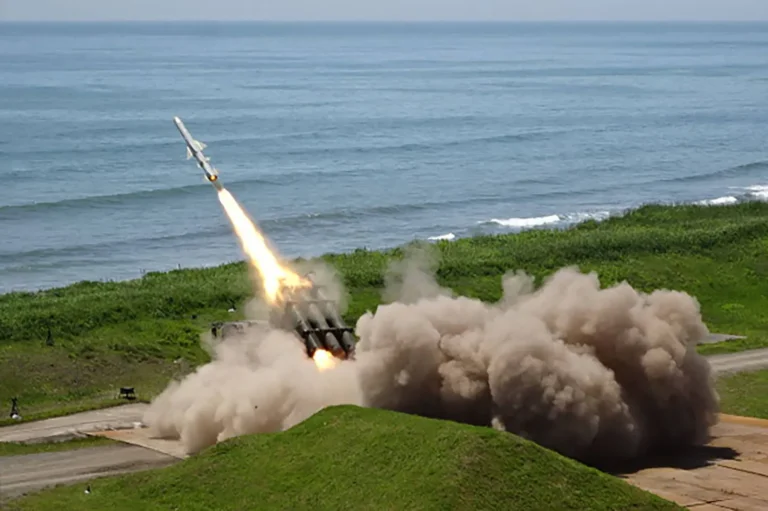
Tokyo, Japan – In a significant shift in its decades-old military doctrine, Japan announced a relaxation of its strict export controls on lethal weapons as part of a comprehensive review of its defense and security policy amid escalating regional tensions in the Pacific.
Under the new regulations, Tokyo is now more open to allowing the export of advanced weapons systems to international partners, after its long-standing policy of restrictive “triad of restrictions” that broadly limited arms exports.
This move comes amid growing Japanese concern about regional threats, particularly the increasing military capabilities of neighboring countries and the rise of military alliances in the region, prompting the government to reassess its “exclusive defense” doctrine, which it has adhered to since World War II.
Analysts believe this shift is not limited to the economic dimension related to the Japanese arms industry, but also reflects a gradual change in Japan’s role within the international security system, as Tokyo seeks to strengthen its defense partnerships with the United States and several Western countries.
Conversely, the move has sparked internal debate among political forces and the Japanese public, between those who consider it necessary to keep pace with geopolitical changes, and those who fear it will erode the pacifist principles that have guided Japanese policy for decades.