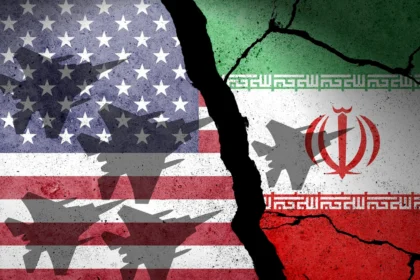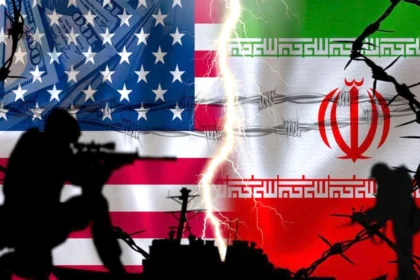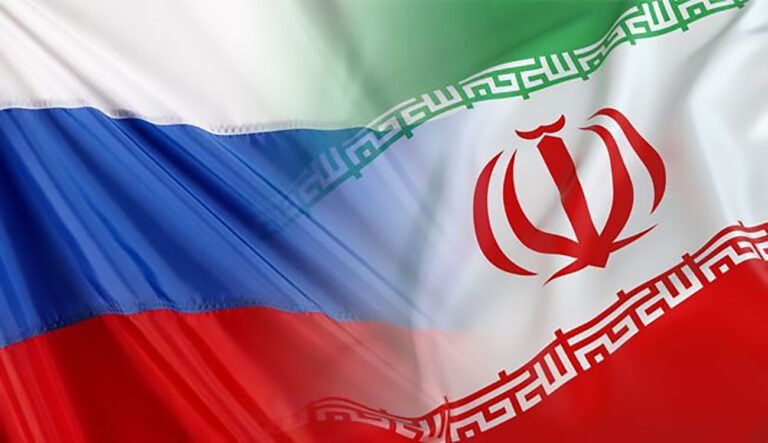
Moscow, Russia – In a striking clarification of Russia’s role in the escalating crisis in the Middle East, Russian Ambassador Albert B. Khorov stated that Moscow is not acting as a direct mediator in the ongoing negotiations between the United States and Iran.
This statement comes as the international community awaits the outcome of intensive diplomatic efforts aimed at defusing the threat of a full-scale military confrontation in the region.
Russia’s stance on “military escalation”
Ambassador Khorov emphasized that since the beginning of what he termed the “unjustified armed aggression” by the United States and Israel against the Islamic Republic, Russia has made continuous efforts to prevent further escalation into a wider regional conflict. He explained that the Russian position is based on the necessity of maintaining the regional balance of power. Furthermore, he stressed the importance of preventing the collapse of the security architecture in the Persian Gulf region. The Russian diplomat added, “Moscow has consistently emphasized the need for an immediate and unequivocal cessation of all hostilities, particularly military operations targeting civilian infrastructure or directly impacting the stability of livelihoods and causing suffering in the Gulf states.”
A balance between support and mediation
Despite denying direct mediation, observers believe Russia is playing a facilitative role through its open channels with Tehran. Moscow seeks to ensure its strategic interests in the region are not harmed by any new US-Israeli strikes. Ambassador Khorov’s statement suggests Russia’s desire to avoid responsibility for the outcome of stalled negotiations. Nevertheless, Russia is careful to maintain its condemnation of the US-led military operations.
Context of the crisis
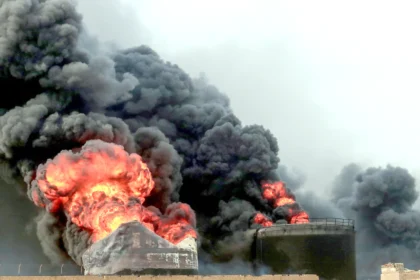
This Russian stance comes amid unprecedented tensions that have seen vital infrastructure targeted and escalating threats exchanged between Washington and Tehran. While other capitals, such as Islamabad, host rounds of direct and indirect dialogue, Moscow is simply observing the situation closely. At the same time, it is exerting diplomatic pressure within the UN Security Council to demand an immediate ceasefire. Furthermore, it is calling for the protection of vital waterways upon which global energy trade depends.