Kinshasa, Congo – The Democratic Republic of Congo (DRC) has recorded an unprecedented Ebola outbreak, with the number of infected individuals exceeding 3,500 in just a few months, surpassing the total number of cases during the worst epidemic the country experienced between 2018 and 2020, according to AFP. The 17th wave of the virus was declared on May 15, with the DRC recording 3,532 cases in five provinces in just two and a half months, including 1,556 deaths, according to official data released on Friday. This severe outbreak comes at a time when the health challenge in eastern DRC is already exacerbated, a region plagued by armed conflict and ongoing security instability for more than 30 years, severely hindering efforts to contain the virus.
The severity of the disease and the lack of treatment in conflict zones
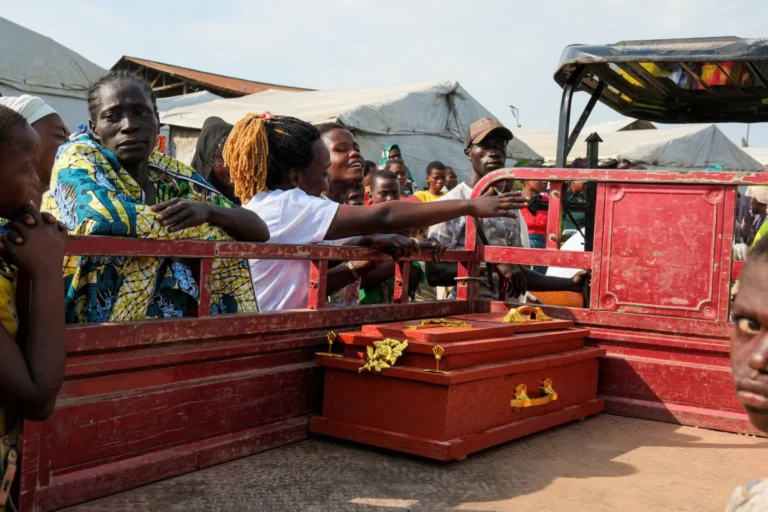
The Ebola virus causes severe hemorrhagic fever and is transmitted through contact with bodily fluids and close contact with infected individuals. It has claimed the lives of more than 15,000 people in Africa over the past five decades, including approximately 2,300 deaths in the Democratic Republic of Congo during the devastating outbreak between 2018 and 2020. Most alarmingly, there is no approved vaccine or treatment for the Bundibugyo strain of Ebola currently circulating. The virus spreads in areas with a severely weakened state presence and inadequate healthcare infrastructure, and transmission often occurs during funeral rites, prompting humanitarian workers to organize burials under strict health protocols.
Ituri is the most prominent flashpoint and the intersection of armed conflicts
Ituri province in northeastern Democratic Republic of Congo, bordering South Sudan and Uganda, is the epicenter of the outbreak, accounting for approximately 90% of all cases, according to the World Health Organization. Humanitarian organizations assert that available resources are insufficient to contain the outbreak in this volatile region, plagued by massacres perpetrated by the Allied Democratic Forces (ADF) rebels, and where the M23 armed group, supported by Rwanda, controls vast areas in other provinces, such as Kivu. Regionally, the WHO has warned of the risk of the epidemic spreading to neighboring Uganda, despite the country’s recent declaration of an end to the outbreak.
An international race to develop promising vaccines to contain the pandemic
On the scientific and preventative front, Hellmann Laboratories in Singapore announced on Thursday that it will develop an Ebola vaccine that the World Health Organization has described as “most likely to succeed” in combating the current outbreak in the Democratic Republic of Congo. This comes as a volunteer last week received the first dose of another vaccine against the Bundibugyo strain, developed by Oxford University using technology from the AstraZeneca COVID-19 vaccine, amid international hopes of containing the escalating health crisis in Central Africa.