Washington, DC – US Central Command (CENTCOM) officially announced the conclusion of Commander Brad Cooper’s intensive ten-day diplomatic and military tour of the Middle East. This tour included high-level field visits to six Arab and regional countries. Additionally, he inspected a strategic naval vessel operating in the Arabian Sea.
High-level talks with Washington’s allies
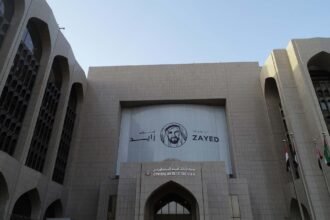
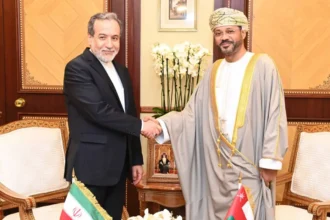
During this extensive trip, Brad Cooper held a series of intensive meetings and consultations with senior civilian officials and military leaders in both the United Arab Emirates and the Kingdom of Bahrain. His visits also included the Hashemite Kingdom of Jordan, the Kingdom of Saudi Arabia, the Republic of Iraq, and Israel. The Central Command commander also made a point of dedicating a significant portion of his itinerary to meeting with U.S. forces stationed at various bases and locations throughout the region, allowing him to gain firsthand insight into their operational readiness and deployment conditions.
A large-scale military deployment to support regional stability
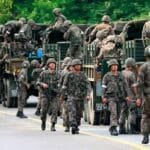
The U.S. Department of Defense maintains a large and active presence in the region, with more than 50,000 U.S. military personnel serving and supporting various military and security missions throughout the Middle East. Their focus is particularly on ensuring regional stability.
Inspection visit to the aircraft carrier “Abraham Lincoln”
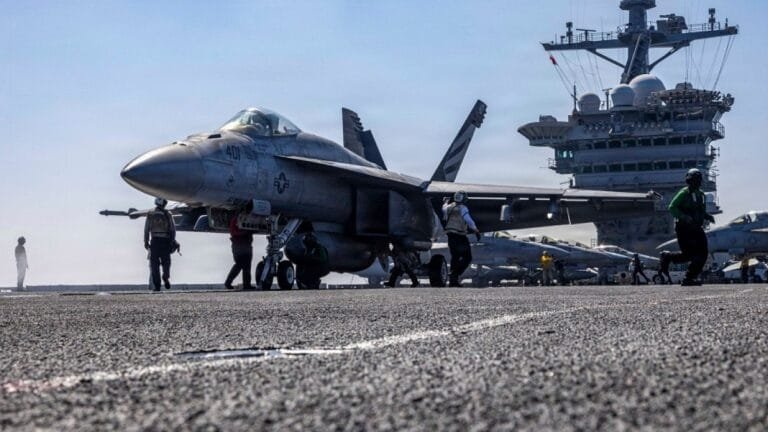
In a prominent leg of his tour, Cooper was at sea to meet the heroic sailors and Marines stationed aboard the giant American aircraft carrier “Abraham Lincoln.” It should be noted that this is his second visit on board the same ship during the current year. He had previously undertaken a tour last February, accompanied by the US special envoy for peacekeeping missions, Steve Whitaker and Jared Kushner.
Dynamic operational mission in the modern era
In a rousing address to the crew of the aircraft carrier USS Abraham Lincoln, Cooper praised the extraordinary efforts of the forces. He described the ship’s current mission in the Middle East as “one of the most dynamic and critical operational missions of the modern era.” He further emphasized the pivotal role of naval forces in deterring threats and protecting international shipping lanes and Washington’s allies in the region.