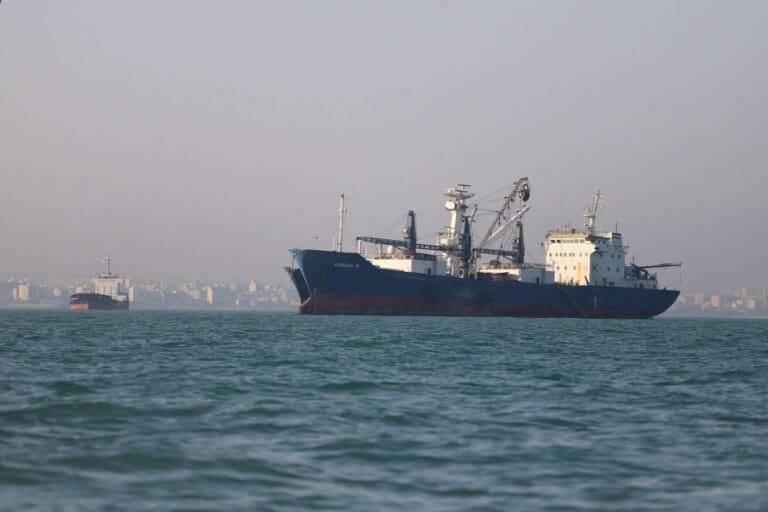
Tehran, Iran – Shipping traffic through the strategic Strait of Hormuz slowed dramatically and unprecedentedly at the start of the week. This followed repeated attacks targeting oil tankers and coincided with stalled diplomatic negotiations between the United States and Iran aimed at containing the ongoing conflict in the Middle East. The latest ship-tracking data from the specialist company Kpler showed that only five cargo ships successfully transited the strait on Saturday, while no ships passed through on Sunday. This is a dramatic drop compared to the 31 ships that transited at the start of last week, reflecting the scale of the security risks threatening this vital waterway.
Escalating verbal attacks and widening gap in disagreements
On the political front, the escalating rhetoric reflected the widening gap between the two sides. Iran explicitly called on the United States to accept defeat, while US President Donald Trump responded by describing the Iranian leadership as “evil.” He also urged American citizens to prepare for new waves of rising global fuel prices.
In this context, Iranian Deputy Foreign Minister Kazem Gharibabadi issued a decisive statement on Saturday via the “X” platform, saying: “This strait will not be opened or closed except by Iran’s order, and as long as you refuse to accept the reality of defeat and stop indulging in illusions, Iran will continue to impose the blockade.” These statements confirmed the complete halt of any real progress toward peace. Furthermore, oil tanker traffic has ceased entirely.
Strategic implications for global energy markets
The Strait of Hormuz was a vital chokepoint through which a fifth of the world’s oil exports passed before the United States and Israel launched their large-scale military campaign against Iran on February 28. This ongoing disruption to shipping threatens further severe economic repercussions for international trade and global energy markets. This comes amid growing fears that the crisis could escalate if diplomatic efforts remain stalled and military tensions continue to dominate the region.