Tehran, Iran – U.S. Central Command (CENTCOM) announced that the thirteenth consecutive night of U.S. airstrikes against critical military targets in Iran concluded Friday morning, Iranian time. According to the official statement from CENTCOM, the strikes focused on reducing the ongoing threats posed by Iranian forces to civilian and commercial vessels transiting the sensitive Strait of Hormuz.
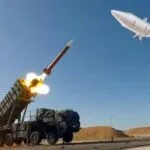
US Central Command (CENTCOM) explained that the latest round of attacks precisely targeted military command and control centers, drone storage facilities, advanced communications networks, and coastal surveillance and naval capabilities belonging to the Islamic Revolutionary Guard Corps (IRGC).
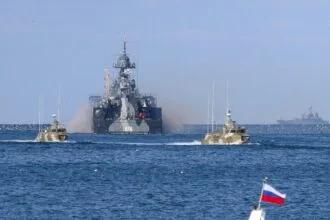
Meanwhile, the international waterway of the Strait of Hormuz remains open to international shipping despite the recent tensions and attacks. Commercial vessels continue to navigate freely, supported by a robust US military escort. This comes amidst the deployment of more than 50,000 US troops throughout the Middle East region.
Targeting five Iranian provinces
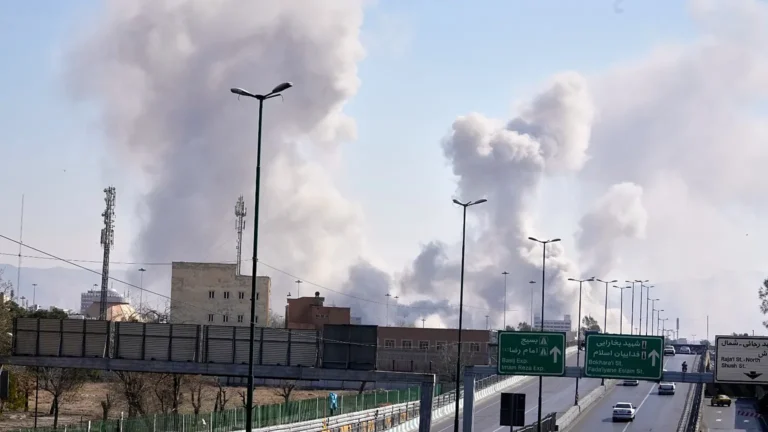
On the ground within Iran, the official Iranian news agency IRNA reported that US missile and drone attacks targeted five different provinces on Friday morning: Isfahan, Khuzestan, Lorestan, Markazi, and Hormozgan. The agency, citing local officials, stated that the strikes resulted in casualties. Khuzestan province reported four deaths and five injuries from a missile attack targeting areas surrounding the city of Ahvaz. Khuzestan province has not yet released any names, photos, or further details about the victims. In Hormozgan province, two people were injured in the attacks. Official reports confirmed no casualties in the provinces of Isfahan, Lorestan, and Markazi.
Details of injuries in Lorestan
In the same context, Saeed Pourali, the deputy political and security official in Lorestan province, stated in an interview with Mehr News Agency that the attacks launched by US forces on Friday morning resulted in injuries to two people. The Iranian official clarified that the attack specifically occurred in an area on the outskirts of Khorramabad, the provincial capital.
These rapid developments on the ground come at a time of ongoing military operations and escalating strategic tensions between Washington and Tehran. This occurs amidst international and regional anticipation of the escalation’s trajectory and its repercussions on security and stability in the Arabian Gulf region and its strategic waterways.