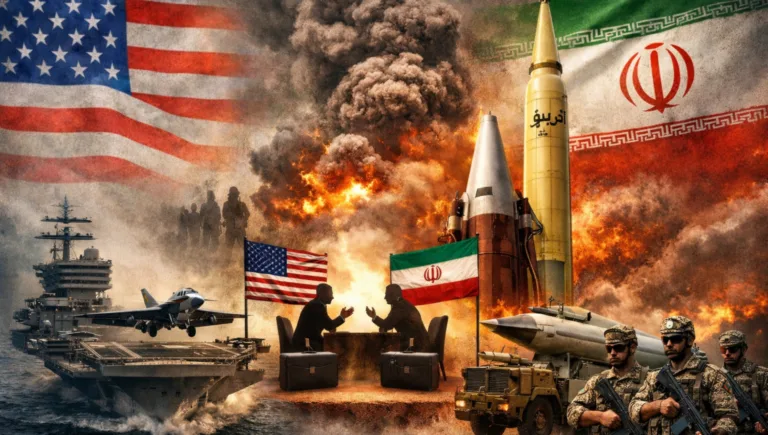
Tehran, Iran – The Middle East is witnessing rapid developments as tensions surrounding the Iranian nuclear program persist. Regional and international diplomatic efforts continue in an attempt to contain the crisis. The goal is to prevent it from escalating into a wider military confrontation that could threaten the region’s security and stability.
Despite the ongoing escalation and exchange of political and military messages between the parties involved, diplomatic channels remain open. Several countries are intensifying their efforts to revive dialogue and de-escalate tensions. Moreover, there is a growing conviction that any further escalation will have significant repercussions for regional security and the global economy.
Observers believe the region is currently at a crossroads, where the course of events hinges on the ability of the various parties to prioritize political solutions over military options. This is especially important given the complexities of the issues related to the Iranian nuclear program, maritime security, and Tehran’s regional influence.
International circles also warn that continued escalation could widen the conflict and push the region into an even more dangerous phase. However, opportunities for de-escalation remain if diplomatic efforts succeed in bridging the gaps and reaching understandings that mitigate the crisis.
Regional and international capitals are awaiting the results of ongoing contacts in the coming days, amid growing calls for restraint and avoiding any steps that could ignite a new confrontation. There is also a reaffirmation that political and diplomatic solutions remain the best option for ensuring the region’s stability.