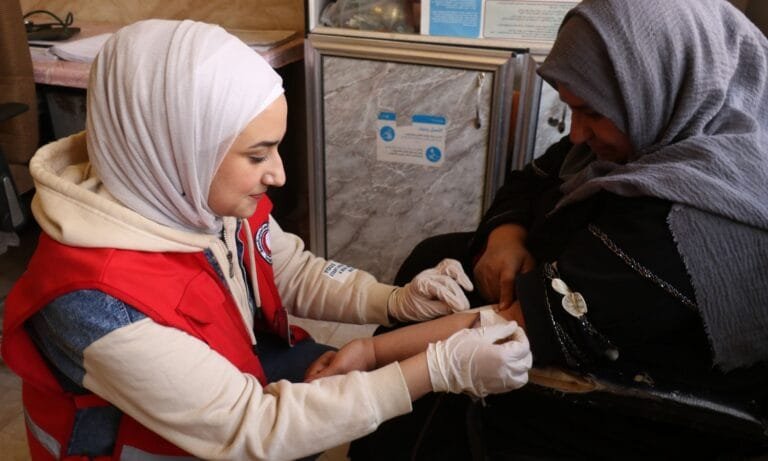
Damascus, Syria – A recent investigative report has sparked widespread controversy in Syria after highlighting concerns about the safety of procedures within some blood banks. This comes amid allegations of potential flaws in the testing system that could increase the risk of transmitting infectious diseases, particularly HIV/AIDS.
The investigation indicated that concerns center on the efficiency of laboratory tests and the mechanisms for monitoring blood units. These concerns are especially relevant given the challenges facing the Syrian health sector in recent years. The report emphasized that the safety of blood transfusions depends primarily on strict adherence to approved medical protocols. Furthermore, it stressed the necessity of conducting thorough tests on every unit of blood before use.
Public health experts confirm that HIV transmission through blood transfusions is extremely rare when international screening standards are fully implemented. They also stressed that regular monitoring and continuous inspection systems are the first line of defense to ensure the safety of both patients and donors.
In contrast, Syrian health authorities have yet to issue any official statement confirming the spread of the virus within blood banks. Meanwhile, calls continue for a comprehensive and transparent review of the blood transfusion system, and for the results of these investigations to be made public to bolster confidence in healthcare services and reassure citizens.
Observers believe that handling such matters requires a high degree of transparency and accuracy, avoiding sensationalism or conclusions unsupported by evidence. At the same time, it is essential to continue developing health oversight systems to ensure the highest levels of safety in blood transfusion services.