Washington, D.C. – Global oil prices jumped by nearly 4% during today’s trading session after statements from US Secretary of State Marco Rubio fueled investor anxiety regarding the viability of diplomatic resolution with Iran. These remarks renewed broader fears of Middle Eastern energy supply disruptions.
Washington Statements Re-evaluate Geopolitical Risks
Secretary Rubio emphasized that the United States sees no tangible indicators that Tehran is prepared to move forward with genuine peace negotiations. In addition, he noted that current Iranian positions fail to demonstrate a clear commitment to reaching a political settlement. This development prompted commodities markets to swiftly re-price geopolitical risk factors.
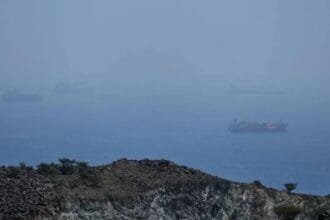
The escalation comes amid heightened regional volatility, compounding global concerns over potential disruptions to commercial shipping and crude transit through the Arabian Gulf and the Strait of Hormuz—one of the world’s primary energy choke points.
Upward Pressure and Energy Transit Volatility
Traders moved rapidly to bolster long positions in crude futures contracts to hedge against potential supply bottlenecks, propelling both Brent crude and West Texas Intermediate (WTI) to significant single-day gains.
Energy market analysts warn that persistent political gridlock and military friction between Washington and Tehran will likely sustain upward pressure on crude prices. They add that prolonged diplomatic stagnation or further operational escalation threatens to exacerbate fears of a broader economic energy shock.
The 4% surge in global oil benchmarks illustrates the acute vulnerability of energy markets to diplomatic impasses, positioning the Strait of Hormuz as the key risk factor driving international energy price volatility.