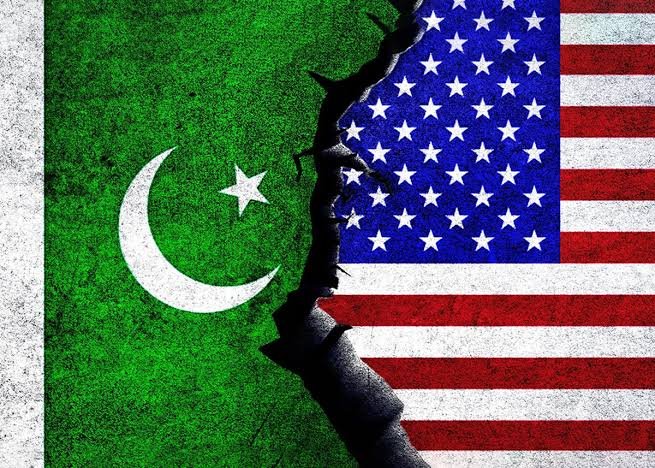
Islamabad, Pakistan – Pakistan, still grappling with a severe financial crisis, has reportedly formally requested a massive $10 billion loan from the United States to bolster its fragile economy. According to Reuters, Islamabad made the request in a letter to U.S. Treasury Secretary Scott Bisent. The aim is to secure a “bilateral exchange rate stability facility” with a maturity of up to five years.
The request for emergency funding comes at a highly sensitive time, as Pakistan continues to grapple with the fallout from its worst economic crisis in decades. This is despite the ongoing IMF bailout and monitoring program. Moreover, this move follows Islamabad’s successful diplomatic mediation efforts during the recent tensions between the United States and Iran. These efforts have bolstered its regional diplomatic standing and raised hopes for potential economic and political gains from Washington and other international partners.
If the US approves this financial assistance, it could provide a vital lifeline to the debt-ridden and trade-deficit South Asian economy. This support is expected to bolster Pakistan’s foreign exchange reserves. Furthermore, it could alleviate the immense pressure on the value of the Pakistani rupee. It would also reduce the country’s reliance on multilateral financing. Meanwhile, Islamabad implements tighter fiscal and monetary policies in line with the terms of its current program with the International Monetary Fund.
Official silence and diplomatic efforts to deepen cooperation
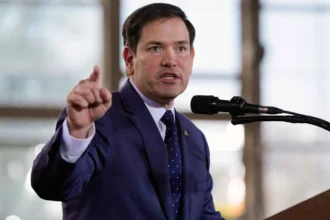
So far, there has been no official comment from either Pakistan or the United States regarding these reports about the loan request. However, Pakistani Finance Minister Muhammad Aurangzeb indicated that he raised the issue of the country’s economic vulnerability to regional geopolitical developments during his meeting with his American counterpart, Scott Bisnett, this week in Washington.
In a statement issued by the Pakistani Foreign Ministry following the meeting, both sides reaffirmed their mutual commitment to deepening bilateral economic cooperation. The statement added that Senator Aurangzeb sought greater U.S. support for Pakistan’s market-oriented path. This path is bolstered by improved access to international capital markets, increased foreign exchange reserves, and enhanced sovereign credit ratings. In addition, he asked for increased U.S. investment and the advancement of strategic projects.
Ongoing economic challenges and structural reforms
Pakistan’s economy is currently undergoing a rigorous $7 billion economic reform program under the International Monetary Fund, which has entailed implementing politically sensitive fiscal reforms, including significantly raising taxes, adjusting public spending, and making profound structural changes. The country has narrowly avoided defaulting on its sovereign debt in 2023 after obtaining a $3 billion emergency financial support agreement from the International Monetary Fund. It was also followed by the existing $7 billion extended facility program. Moreover, there was an additional $1.3 billion loan aimed at strengthening resilience to climate change and natural disasters.
Despite these austerity measures and support programs, Pakistan’s foreign reserves remain heavily reliant on IMF disbursements, direct bilateral financial support, and financing from strategic partners, including China and Saudi Arabia. This leaves the country vulnerable to any delays in external financing. Last January, the State Bank of Pakistan expressed optimism that foreign exchange reserves could return to levels close to the record highs of 2021. They are projected to reach $20 billion by the end of 2026. This is an ambitious target that requires sustained political and economic stability.
What are exchange rate stabilization facilities?
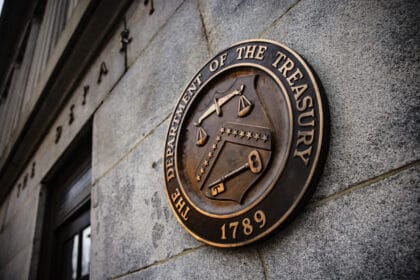
Exchange Stabilization Facilities (ESFs) are unusual financial arrangements provided directly by the U.S. Treasury Department through its Exchange Stabilization Fund. These exceptional facilities aim to support the foreign exchange reserves of allied countries and stabilize their national currencies. This is achieved through direct funding in U.S. dollars, currency swap agreements, or financial guarantees.
These facilities are quite different from the permanent dollar swap lines that the US Federal Reserve (the central bank) maintains with the central banks of major developed countries. Historically, large exchange rate stabilization packages between foreign governments are rarely extended. For instance, the last major such package was extended for Uruguay in 2002. Mexico, however, has maintained a long-term swap line with the United States since the 1940s.