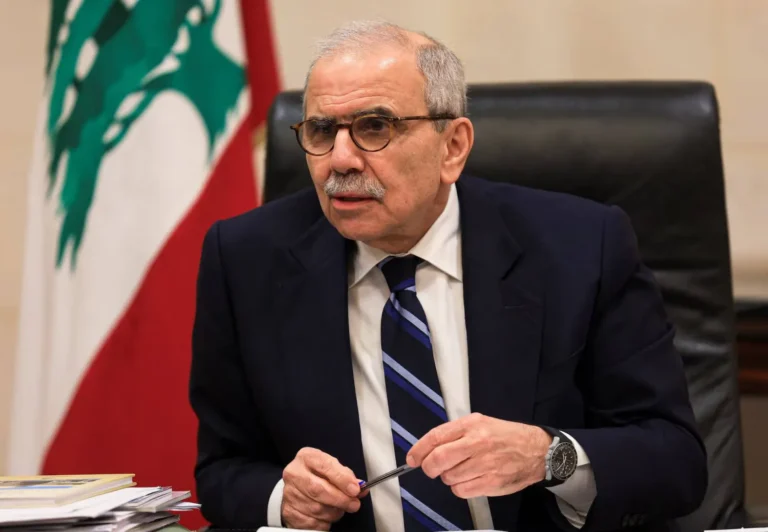
Beirut, Lebanon – An unannounced visit by Lebanese Prime Minister Nawaf Salam has ignited intense political debate and speculation across Lebanese media and political circles. Leaked details of behind-the-scenes meetings have raised critical questions regarding the timing, motives, and outcomes of the moves amidst sensitive domestic and regional conditions.
Quiet Diplomacy vs. Public Transparency
Supporters of Prime Minister Salam defend the unannounced movement as an essential application of “quiet diplomacy,” arguing that addressing complex national security and economic recovery files requires confidentiality away from media exposure and political polarization.
Sources aligned with the administration indicated that high-stakes negotiations with key regional and international actors often necessitate discreet channels to secure stable outcomes for the country.
Opposition Criticism and Demands for Accountability
Conversely, opposition figures and political factions criticized the lack of official disclosure, asserting that concealing official travel undermines government transparency and raises concerns over the nature of discussions and potential commitments made.
Critics called on the government to issue formal clarifications detailing the meetings held and the topics addressed, emphasizing that major decisions affecting Lebanon’s sovereign interest must be shared with the public and parliament.
Political Polarization Amid Economic and Security Crises
The controversy unfolds as Lebanon faces overlapping political, economic, and security priorities, including structural economic reform plans and frontline security arrangements in southern Lebanon.
Political analysts observe that the friction over Salam’s unannounced trip highlights deeper structural divisions in Beirut, where official executive moves remain caught between those viewing secret diplomacy as a pragmatic necessity and those perceiving it as a continuation of opaque governance.
The debate over Nawaf Salam’s unannounced visit highlights the delicate balance in Lebanese governance between conducting necessary confidential diplomatic negotiations and satisfying public demands for political transparency during critical transition periods.