Beijing, China – In an urgent diplomatic move to defuse escalating tensions in the Gulf region, the foreign ministers of China and Pakistan on Friday called on the United States and Iran to immediately cease hostilities and return to the negotiating table. This followed a high-level meeting in Shanghai, where concerns were high about the potential consequences of sliding into open military confrontation.
Shared concern and emphasis on dialogue
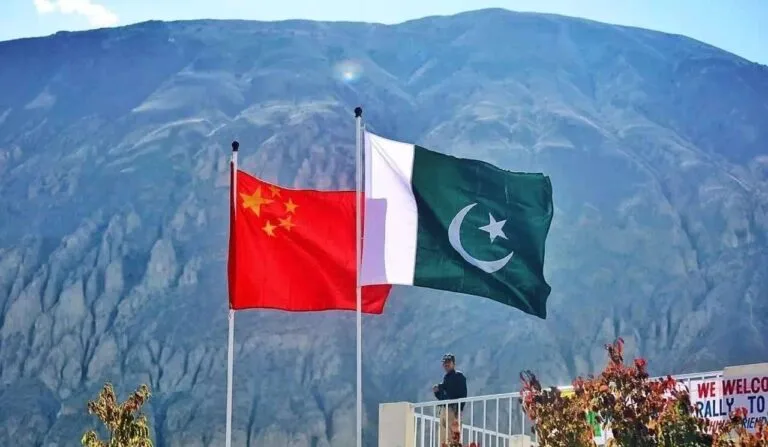
Following a meeting between Chinese Foreign Minister Wang Yi and his Pakistani counterpart Ishaq Dar, the Chinese Foreign Ministry issued an official statement emphasizing the gravity of the current situation. The two ministers expressed their deep concern over the deteriorating situation on the ground, stressing that a military solution would only lead to further regional and international instability. They reiterated their concern about the situation and affirmed that the only solution is to commit to dialogue. They called on all parties to exercise maximum restraint and adhere to the path of dialogue to resolve disputes and safeguard maritime security.
Diplomacy falters under election pressures
These diplomatic efforts come at a time when mediators face extremely complex challenges, especially after statements by former US President Donald Trump. Trump declared the fragile ceasefire between Washington and Tehran “over” following the latest exchange of military strikes. He also seeks to assert control to ensure the swift resumption of shipping through the Strait of Hormuz. In an attempt to alleviate the energy crisis, he is trying to influence the domestic political landscape ahead of the US midterm elections. Meanwhile, Iran refuses to relinquish any control over this strategic waterway, which it considers a key bargaining chip in its confrontation with the West.
A vicious cycle of tit-for-tat attacks
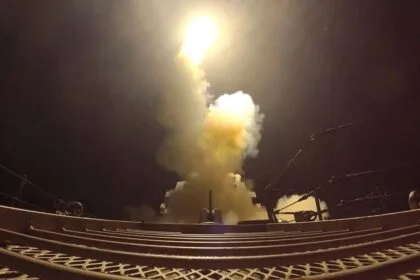
This fundamental dispute has led to a dangerous cycle of “attack and retaliation,” with Iran targeting ships that deviate from its designated routes within the Strait. The United States responds with direct strikes against Iranian targets, prompting a further Iranian retaliation. As the escalation continues, these events have placed global shipping lanes under serious threat. Consequently, the international community, led by Beijing and Islamabad, has intensified diplomatic pressure. This pressure aims to avert a larger conflagration whose repercussions could extend beyond regional borders, impacting energy supplies and the global economy as a whole.