Tel Aviv, Israel – A recent analysis published by the Hebrew-language website GNS has revealed a significant flaw in ongoing international assessments of Iran’s nuclear program. The report explains that an excessive focus on uranium stockpiles enriched to 60% presents an incomplete, and even misleading, picture of the true extent of Tehran’s nuclear capabilities.
The report indicates that accurate strategic assessments must necessarily include stockpiles of uranium enriched to 20% and 5%. It also asserts that these stockpiles, should Iran decide to proceed with enrichment, could significantly increase Iran’s potential nuclear capability beyond commonly accepted estimates.
Multi-accumulation strategy
Based on reports from the International Atomic Energy Agency, the website raises a troubling hypothesis: that Tehran was not merely seeking to build a “first bomb,” but rather pursuing a cumulative strategy aimed at acquiring the materials necessary to produce multiple nuclear weapons simultaneously. This approach suggests a broader ambition that goes beyond simply demonstrating technical capability. Furthermore, it aims to establish a nuclear reality that would make it difficult for the international community to contain the program.
The “destruction of facilities” dilemma: Why is bombing not enough?
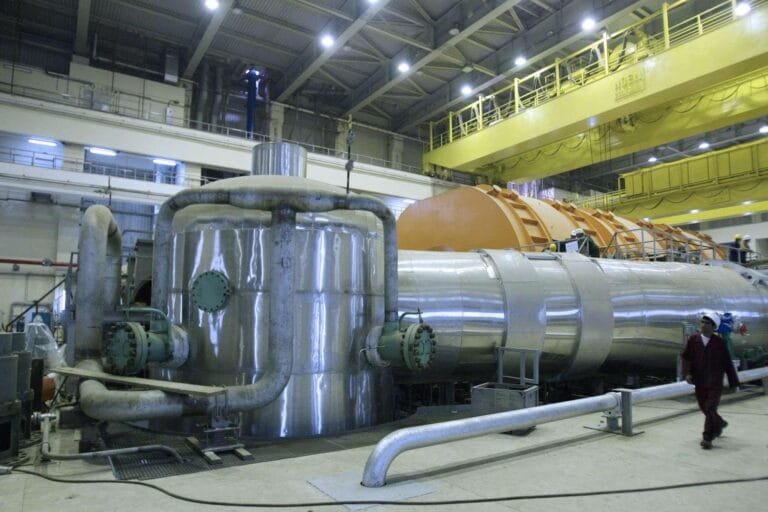
The analysis warns against a common strategic fallacy: the belief that launching airstrikes against Iranian nuclear facilities would end the program. The author explains that destroying infrastructure and buildings does not necessarily eliminate nuclear capability, as long as enriched uranium remains. He adds that any operation aimed at truly neutralizing the Iranian nuclear threat requires a complex and lengthy process of transporting and securing this material. Furthermore, he notes that its complete removal from Iranian territory is essential. This necessitates a sustained technical and military presence on the ground, a highly complex and costly scenario.
Risks of material retention and regional security
In its warnings, the report emphasizes that the continued presence of enriched uranium in Iran, even with ongoing diplomatic efforts, keeps the region under constant threat. The risk of a clandestine resumption of the nuclear program, or the potential use of this material to manufacture a “dirty bomb,” remains very real. The analysis concludes with a crucial finding: the only way to effectively eliminate Iran’s nuclear capability is not through bombing its facilities. It requires the complete and permanent removal of all enriched uranium from the country and the total cessation of the enrichment program as the only guarantee against Tehran becoming a military nuclear power.