Ankara, Turkey – Amid escalating regional tensions, NATO leaders convened in the Turkish capital, Ankara, on Wednesday, July 8, 2026. The summit took place against a backdrop of heightened tensions following a series of direct military strikes between Washington and Tehran. As a result, the future of security in the Gulf region and the Strait of Hormuz is now at stake.
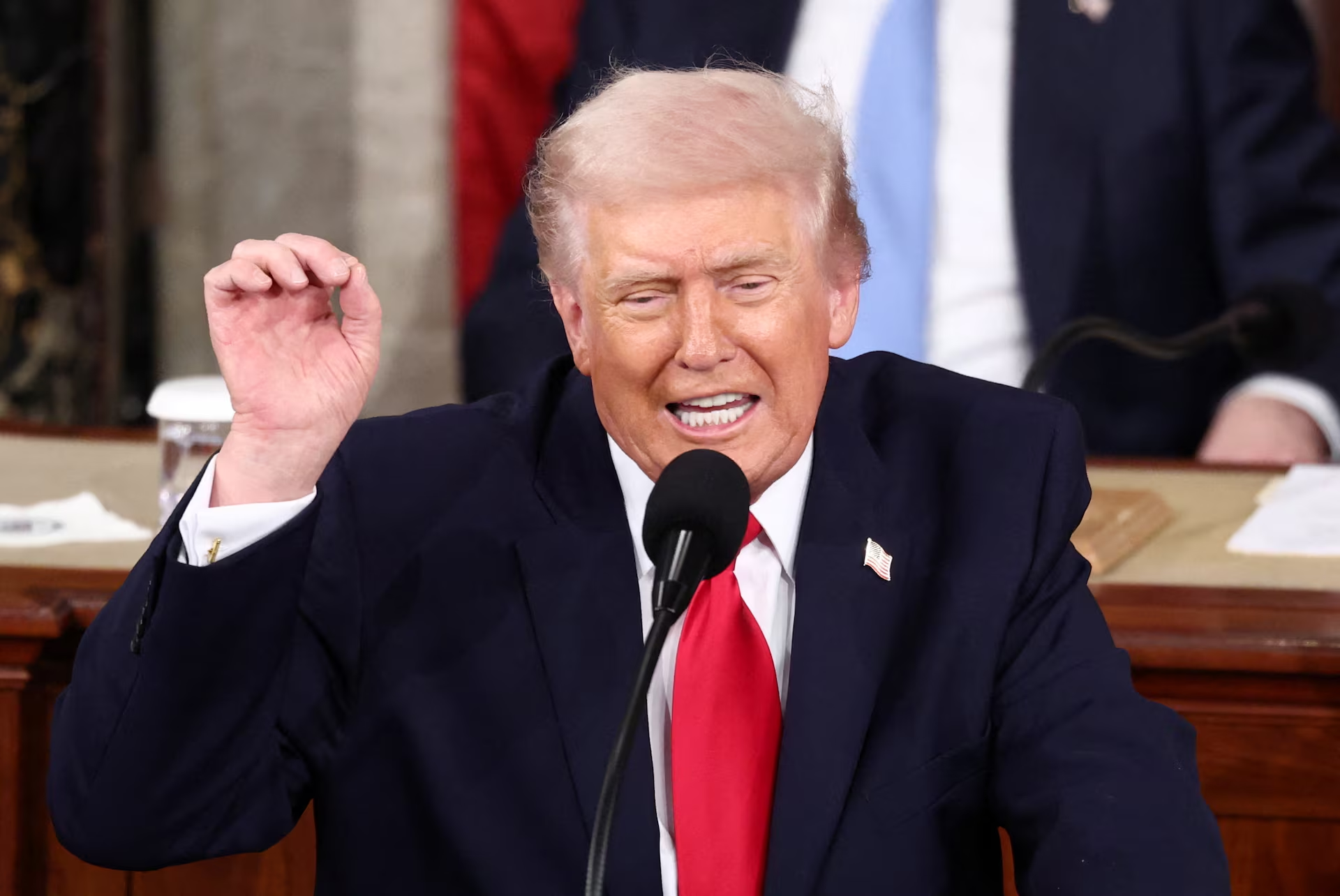
Roth: “The American response is necessary and firm.”
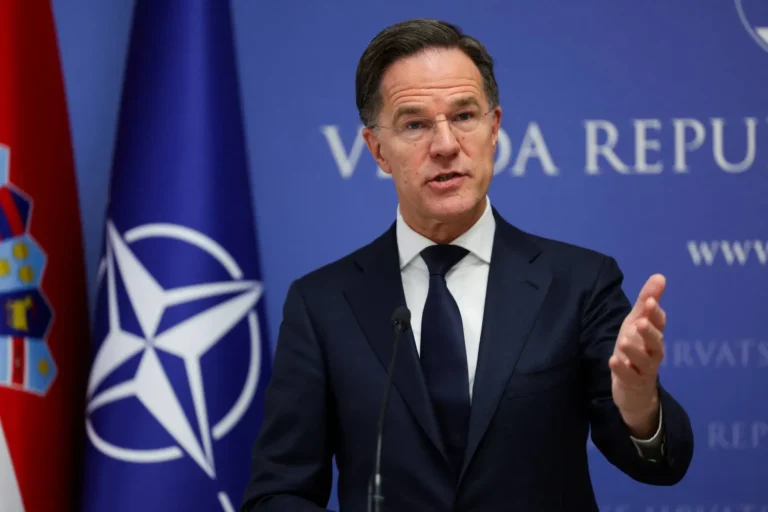
In decisive remarks before the start of the meetings, NATO Secretary General Mark Rutte affirmed that the alliance was renewing its firm stance on freedom of navigation. He also stressed that “the Islamic Republic must keep the Strait of Hormuz fully open to global trade.”
Regarding the recent military operations, Rutte described the US airstrikes against Iran as “absolutely necessary.” He explained that the US commitment to respond was inevitable after Iran violated the fragile ceasefire agreement. Rutte stated, “When there is a ceasefire in place and Iran is effectively breaking it, a firm US response becomes essential to maintain the credibility of international agreements and the security of waterways.”
Field confrontation: CENTCOM strikes and the Revolutionary Guard’s response
These statements come as the US Central Command (CENTCOM) carries out one of its most intense air operations, targeting more than 80 strategic sites inside Iran. The strikes included advanced air defense systems, command and control centers, and more than 60 fast attack craft belonging to the Iranian Revolutionary Guard. This was in response to Iranian attacks targeting commercial vessels in the Strait of Hormuz.
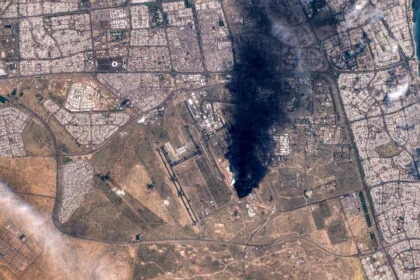
In response, Iran reacted swiftly and escalated. The Khatam al-Anbiya Construction Headquarters described the American attack, which coincided with the funeral of Ali Khamenei in Iraq, as a “blatant act of aggression,” vowing a “crushing” response. Tehran also translated its threats into action, with the Islamic Revolutionary Guard Corps launching intensive missile and drone attacks targeting sites in Bahrain and Kuwait.
The regional landscape is at a crossroads
This development reflects a complete collapse of the memorandum of understanding that had been guiding the de-escalation process in recent months. As the NATO summit convenes in Ankara, leaders face the challenge of containing this military escalation, which threatens to destabilize global energy markets and ignite a wider regional war. Meanwhile, all eyes remain on the potential repercussions of an Iranian response on the ground, given the state of high alert declared by the Gulf states.