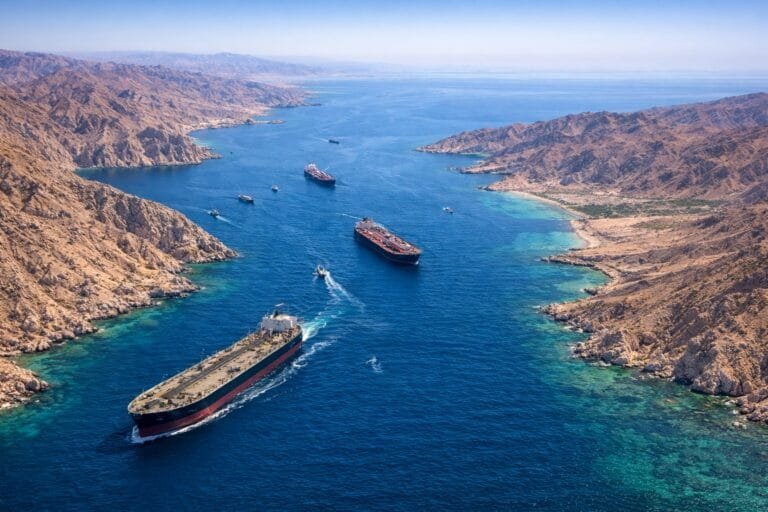
Tehran, Iran – Iranian Parliament Speaker Mohammad Bagher Ghalibaf affirmed on Friday that Iran is continuing to implement the mechanism for managing navigation in the strategic Strait of Hormuz. He emphasized that these steps are being taken in coordination and consultation with the littoral states. He also warned against any American attempts to interfere in the management of the strait.
Details of the new mechanism
Qalibaf stated that his country had reached an agreement with Oman on a mechanism for navigation in the Strait of Hormuz, based on Article 5 of a joint memorandum of understanding. He clarified that Iran would not allow the United States to impose its hegemony or interfere in the affairs of this vital waterway. In his accusations, the Iranian parliament speaker indicated that Israel was actively working to undermine the existing memorandum of understanding between Iran and the United States aimed at de-escalating tensions.
These statements come amid circulating news about Gulf countries considering the possibility of imposing “transit fees” to be paid to Iran and Oman for the passage of ships. This proposal was officially presented by the Sultanate of Oman to the United States and its Western allies. It was also inspired by similar mechanisms applied in the Strait of Malacca and Singapore. Although the Omani project talks about a “voluntary” nature of the fees, Tehran insists on making them mandatory for all passing ships.
Revolutionary Guard activities in the region
On the ground, tensions are rising as Iran’s Revolutionary Guard deploys special forces along the Persian Gulf coast to monitor and identify vessels transiting the southern route of the Strait of Hormuz. Intelligence reports indicate that the Revolutionary Guard is gathering extensive information on the timing and coordination of ship movements. It also utilizes local sources and agents to ensure advance control over maritime routes.
The Revolutionary Guard has officially declared that the only permitted routes for passage are those designated by the Islamic Republic. It has also warned international vessels against using the southern corridor, which passes through waters close to the Omani coast. The recommendation to use this corridor is supported by the International Maritime Organization and the Sultanate of Oman.
These moves come amid a fragile truce agreed upon by Washington and Tehran last Sunday to de-escalate tensions in the Strait of Hormuz for a week. This coincides with ongoing negotiations in the Qatari capital, Doha, aimed at reaching a lasting understanding based on the new Omani plan. While diplomacy attempts to contain the escalation, the Strait of Hormuz remains a highly sensitive arena where international economic interests intersect with regional geopolitical ambitions. This makes any miscalculation liable to reignite conflict in the most vital waterway for global energy trade.