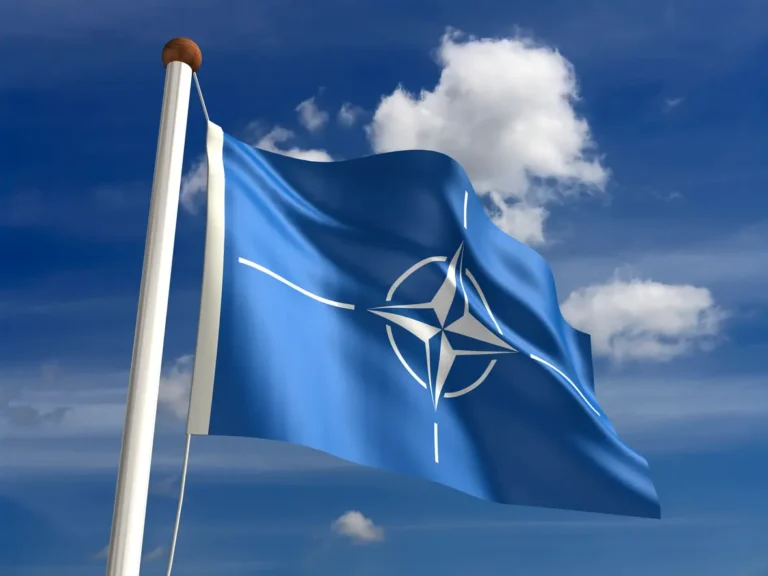
Washington, DC – Amid strategic shifts within NATO, German Foreign Minister Johannes Wadephul announced he will travel to Washington this week for intensive talks with his US counterpart, Marco Rubio. The meeting’s agenda will focus on formulating a new arrangement for sharing financial and military burdens within the alliance. This comes in preparation for the upcoming NATO summit in Ankara next week.
A strategy to support Ukraine and a message to Moscow
In an official statement, Fadevol indicated that the talks would prioritize ensuring the long-term sustainability of support for Ukraine. The German minister explained that this international coordination aims to send a firm message to Moscow that it must cease its “killing machine” in Ukraine. Furthermore, it aims to pave the way for a peaceful settlement through negotiations, thereby restoring regional stability.
Trump criticizes NATO allies over war with Iran
These diplomatic moves come amid a tense atmosphere following remarks by US President Donald Trump during a joint press conference with NATO Secretary General Mark Rutte at the White House. Trump expressed his disappointment with NATO allies’ stances regarding the US war with Iran, accusing countries like Britain, Germany, France, Italy, and Spain of “let Washington down” and failing to provide any significant support.
Despite his assertion that the United States did not need outside assistance and succeeded in “crushing Iran” during the first week of the confrontation, Trump considered the lack of initiative from allies to be a disappointment.
NATO defends its strategic role
For his part, NATO Secretary General Mark Rutte attempted to offer a different perspective on the situation on the ground, emphasizing the pivotal role of European bases and revealing that approximately 5,000 American aircraft had taken off from those bases during the weeks of the war.
Rutte praised Trump’s policy toward Tehran, describing it as an “important and necessary” step. He argued that it was crucial because Iran was on the verge of acquiring nuclear capabilities and was a major source of “terrorism and chaos” that directly threatened regional and global security.
These developments present NATO with a new test of its internal cohesion as member states prepare for the upcoming summit in Ankara, amid strenuous efforts to overcome disagreements over “burden-sharing.” This also aims to ensure a unified vision regarding international security challenges, whether in the Ukrainian crisis or concerning the strategic implications of recent regional confrontations.