Islamabad, Pakistan – Pakistan’s Ministry of Information announced on Sunday that security forces had conducted targeted military operations that neutralized 29 militants. This comes as part of Islamabad’s ongoing efforts to eliminate terrorist safe havens along the Pakistan-Afghanistan border.
Details of qualitative operations
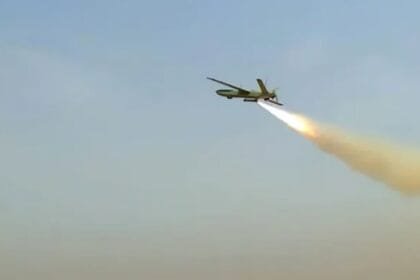
Information Minister Attaullah Tarar stated that security forces conducted a meticulously planned ground operation based on intelligence. This operation was followed by concentrated airstrikes against strongholds of Jamaat-ul-Ahrar and the Fitnat-ul-Khawarij faction (the government’s name for the banned Pakistani Taliban).
The minister explained that the operations targeted three locations in the Afghan provinces of Paktia, Paktika, and Kunar. These operations resulted in the destruction of militant hideouts, weapons caches, and ammunition depots.
These actions are part of Operation Wrath of Truth, aimed at responding to the escalating terrorist incidents in Khyber Pakhtunkhwa and Balochistan. They also come in response to the recent attack on the Frontier Corps headquarters in the Gulistan district of Karachi, which resulted in the martyrdom of three security personnel.
Pursuing terrorist plotters
Tarar confirmed that the operations also resulted in the death of a senior Jamaat-ul-Ahrar leader named Khan Farosh (also known as Zabal) in the Bajaur region. He noted that interrogations of one of the militants arrested in Karachi revealed that he had infiltrated Pakistan from Jalalabad a week before the attack. This reinforces Islamabad’s position regarding the existence of terrorist safe havens across the border.
Vision of “Resolve of Uprightness” and the Security of Citizens
The Pakistani minister stressed that the security of citizens remains the government’s top priority. He also affirmed the continuation of the counter-terrorism campaign under the “Resolute Resolve” vision adopted by the Federal Supreme Committee.
He explained that while Pakistan is committed to regional peace, it will not compromise its sovereignty and will not allow its security to be threatened by elements “supported and funded from abroad.” This is a reference to Islamabad’s accusations of foreign ties supporting these groups.
Border tensions and the regional context
This escalation comes amid ongoing tensions since the Taliban returned to power in Kabul in 2021. Despite repeated Pakistani demands for the Kabul administration to dismantle the “Pakistani Taliban” safe havens, Islamabad maintains there has been no effective response.
Despite Chinese-led mediation efforts to bridge the gap between the two sides, military operations remain Pakistan’s preferred option for protecting its borders. Meanwhile, military officials maintain that peace will not prevail unless Kabul ceases its support for terrorist organizations.