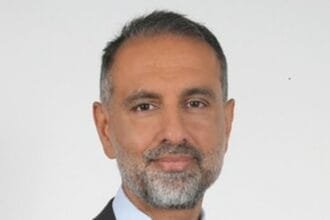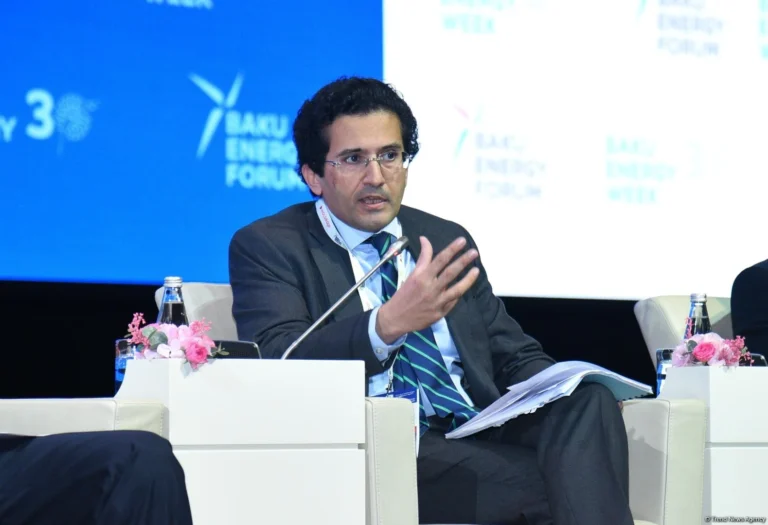
Islamabad, Pakistan – In a strategic move aimed at bolstering national energy security and easing mounting economic pressures, Pakistani Oil Minister Ali Pervez Malik announced that the Islamabad government has officially begun exploring options for importing oil and gas from neighboring Iran at competitive prices. This move comes amid significant geopolitical shifts. The temporary easing of some US sanctions on Tehran has presented Pakistan with a rare opportunity to reassess its energy trade relationships.
Taking advantage of the international détente
In official statements, Minister Malik explained that the decision to review the energy policy was a direct result of changes in the international landscape. He noted that the partial and temporary easing of US sanctions had provided Islamabad with the legal and technical space to assess the option of importing energy from Iran from a purely economic perspective. The minister emphasized that the government prioritizes the interests of Pakistani citizens and the national economy. He asserted that obtaining cheaper energy resources from the regional neighbor could be a lifeline for domestic industries, which are suffering from high production costs due to the high price of imported fuel on global markets.
Strategic motives and regional challenges
These statements come at a time of active diplomatic and economic engagement in the region. Several neighboring countries are considering resuming or expanding economic cooperation with Tehran following a noticeable shift in US policy. For Pakistan, this move represents more than just a trade deal; it is a pressing need to diversify supply sources and reduce dependence on volatile international markets, particularly given the country’s long-standing energy crisis.
Technical studies to ensure the sustainability of supplies
Specialized technical committees within the Pakistani Ministry of Petroleum, in coordination with relevant authorities, have begun comprehensive feasibility studies on the technical and logistical aspects of transporting Iranian gas and oil. These studies focus on payment mechanisms and ensuring the sustainability of supplies in the event of any fluctuations in the international situation. While the road ahead remains long and requires a careful balance between national needs and international obligations, Islamabad affirms its commitment to exploring all available avenues to secure energy at reasonable prices.
Economic diplomacy as a national priority
This move reflects a growing trend towards “economic diplomacy” as a cornerstone of Pakistani foreign policy. The country seeks to leverage its unique geographic location to enhance its regional integration, while emphasizing that securing energy resources at fair prices remains a top priority, ensuring the stability and growth of the national economy in a time of complex global challenges.