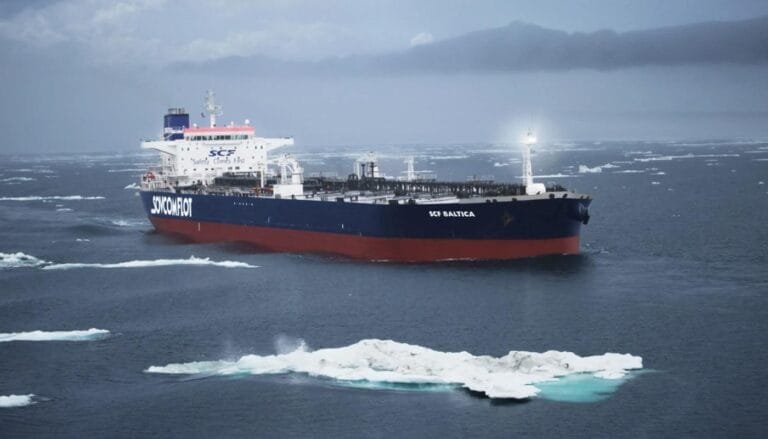
Berlin, Germany – Greenpeace has warned of an increasing number of Russian oil tankers, suspected to be part of a so-called “shadow fleet,” sailing near the German coast in the Baltic Sea. This raises serious concerns about the potential for an environmental disaster in the region.
Change in maritime routes
The organization’s analysis revealed that these tankers have begun to significantly alter their routes. While Sweden tightened its monitoring procedures and detained a number of these vessels, prompting the “shadow fleet” to move away from Swedish shores, data showed a reverse trend towards Germany. According to the organization’s analysis for the period between March 6 and June 16, 2026, 42 tankers opted for a longer route along the German island of Rügen. This is unprecedented for the same period last year. The organization also recorded the entry of approximately 30 tankers into the German maritime zone extending 12 nautical miles.
Criticism of German “laxity”
Greenpeace marine biologist Tilo Mack criticized the German authorities’ handling of the issue, calling for stricter measures.
“The Swedish government is showing how to deal with Putin’s tankers flying false flags and lacking insurance,” Mack said. He emphasized that the organization had repeatedly notified German authorities about the presence of these vessels, but to no avail. No concrete inspections have been carried out.
For its part, the German government cited legal and security constraints. A spokesperson for the Finance Ministry explained that Berlin does not recognize Greenpeace’s ship classifications. He also pointed out that international maritime law guarantees the right of innocent passage within the 12-mile zone.
He added that penalties for violations are assessed on a case-by-case basis. Furthermore, he declined to provide operational details for security reasons, a stance echoed by the Federal Police, who cited tactical reasons.
“Shadow Fleet”: Catastrophic Environmental Risks
Russia is using a “shadow fleet” of aging and dilapidated tankers to circumvent Western sanctions imposed on its oil exports due to the war in Ukraine. Greenpeace warns that these vessels are poorly maintained and often lack adequate insurance. As a result, any maritime accident in the Baltic Sea becomes a “ticking time bomb,” potentially leading to widespread and uncontrollable environmental pollution.
These developments come at a time of increasing European pressure to regulate shipping in the Baltic, particularly after similar actions by France, Britain, and Sweden, which successfully intercepted vessels belonging to this fleet. This situation places Berlin under intense scrutiny regarding its commitment to enforcing sanctions and securing its territorial waters from the environmental and political risks associated with suspicious Russian activity.