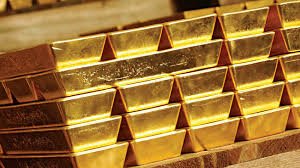
Washington, DC – Precious metals markets experienced a sharp decline on Tuesday, with gold prices falling below $4,000 an ounce. Prices were impacted by mounting economic pressures and expectations surrounding US monetary policy. This drop puts the yellow metal on track for its biggest monthly loss since October 2008, reflecting a state of turmoil in global markets.
During the session, spot gold prices fell by as much as 1.8% to $3,943 an ounce, their lowest level since last November. This followed a nearly 2% drop in the previous session. Moreover, this decline comes as gold has lost approximately 25% of its value since the outbreak of the war in late February. The metal broke through several key technical levels, including the 200-day moving average, a vital indicator reflecting the momentum of the long-term trend.
Inflation and high interest rates
Expectations that central banks—most notably the US Federal Reserve—will continue raising interest rates for an extended period are casting a shadow over gold. Despite the relative decline in oil prices following their sharp rise at the start of the Iran-Iraq War, inflation remains a major concern, driving monetary policy toward tightening. Since gold is a non-yielding asset, it is losing its investment appeal to financial instruments. These instruments offer stable and attractive returns in an environment of high interest rates.
The dollar is putting pressure on the metal.
Besides interest rates, the dollar plays a pivotal role in putting pressure on gold. The dollar index has risen by more than 2% this month, making gold, which is priced in US dollars, more expensive for buyers holding other currencies. This has consequently weakened global demand.
historic quarterly losses
In a related development, analysts indicate that gold is on track for its first quarterly decline since 2024. This would be the largest drop since the second quarter of 2013. These developments come amid concerns that the repercussions of the Iran war on energy prices will lead to further inflationary pressures, potentially necessitating an interest rate hike.
Other precious metals fared no better, with silver falling 1.7% to $57.28 an ounce. Platinum and palladium also saw similar declines. Meanwhile, the Bloomberg Dollar Index continued its upward trend, rising 0.2%. This reinforces the greenback’s dominance in current markets and further complicates the prospects for a recovery in precious metals in the foreseeable future.