Moscow, Russia – In its first official comment on the resignation of British Prime Minister Keir Starmer, the Kremlin sharply criticized his policies toward Moscow. It also asserted that his departure from office would not alter the strained relations between the two countries.
The Kremlin: Starmer’s policy was characterized by hostility
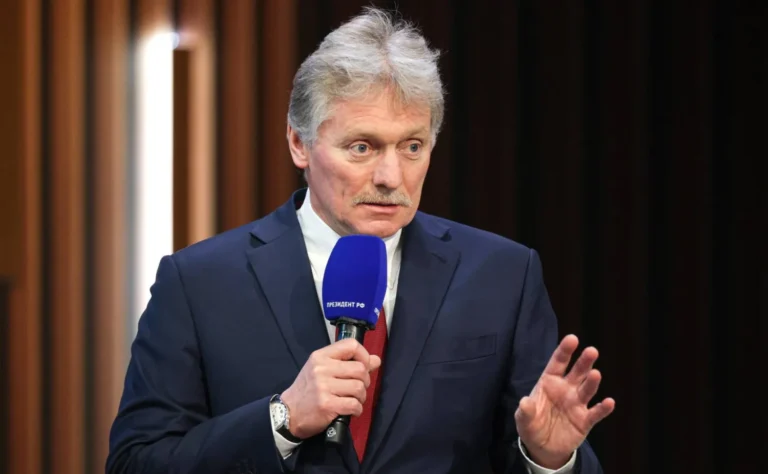
Kremlin spokesman Dmitry Peskov confirmed in a press statement on Monday that the outgoing prime minister had consistently adopted a hostile stance. He also noted that Starmer “was always in favor of keeping British-Russian relations at zero.” Peskov added, in remarks carried by Russia Today, “Keir Starmer never showed any positivity, and it is highly unlikely that any other figure on the British political scene would adopt a different position on dialogue with Russia.”
Resignation amid British political turmoil
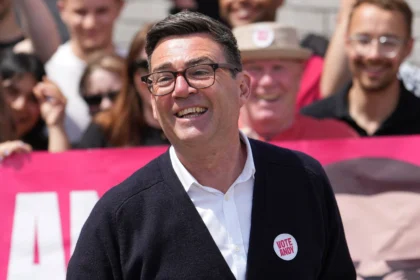
Starmer’s resignation, announced in an emotional speech outside 10 Downing Street, adds a new chapter to London’s political instability. He becomes the sixth British prime minister to resign in just the last decade, and the fourth since the start of Russia’s military intervention in Ukraine. This event has further inflamed the already strained relations between London and Moscow.
Moscow: A message to “warmongers” in Europe
In the same vein, Russian political and economic circles have given symbolic weight to this decision. Kirill Dmitriev, the Russian president’s special representative for investment and economic cooperation with foreign countries, described Starmer’s resignation as “a strong signal to other warmongers in Europe.” This is a clear indication from Moscow that British policies of support for Ukraine and confrontation with Russia are beginning to face difficult political consequences.
The Kremlin’s statements reflect Russia’s firm conviction that the British political establishment, regardless of the ruling party or prime minister, adopts a unified strategy toward Russia. Therefore, the prospects for any diplomatic breakthrough in the near future are remote, no matter who succeeds Starmer as leader of the Labour Party and the British government.