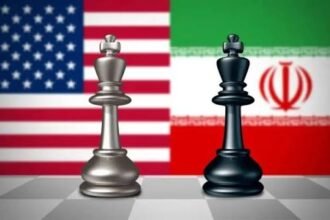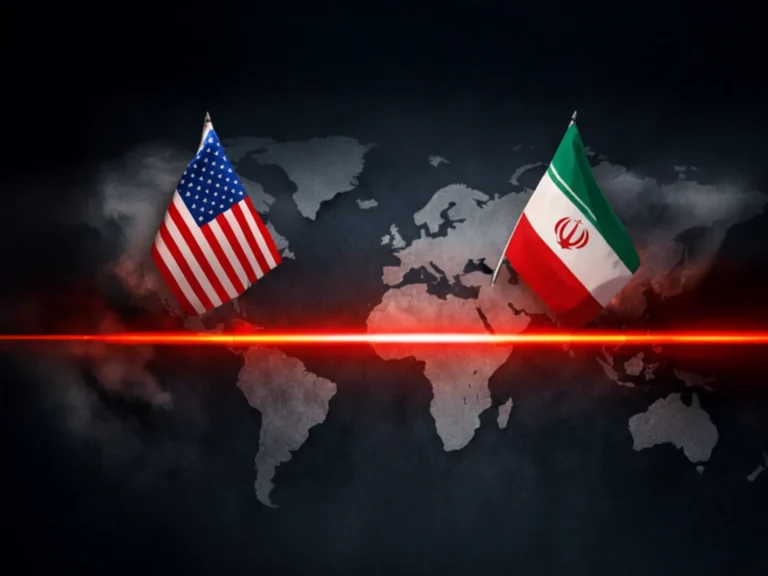
New York, United States – The American New York Times newspaper saw that the recent months of escalation and confrontation with Iran did not bring about a fundamental shift in the strategic landscape in the region, despite the political, military and economic pressures that Tehran was exposed to during that period.
The newspaper indicated, in a lengthy analysis, that policies aimed at weakening Iranian influence or pushing the Iranian leadership to make major concessions have not achieved the expected results so far. It also made clear that Iran still maintains its regional influence tools and its ability to maneuver politically and economically, despite the increasing challenges.
The report added that the past few months have witnessed a mutual escalation between the parties involved, along with sanctions, diplomatic pressure, and military maneuvers. However, the balance of power has not shifted decisively, nor have there been any clear indications of a fundamental change in Tehran’s positions or its regional strategy.
The newspaper pointed out that the continued state of mutual attrition may push the various parties to reassess their calculations in the coming period. This is particularly important given concerns about the widening scope of tensions and their impact on regional security and global energy markets.
The report emphasized that recent developments reflect the complexity of the Iranian issue and the difficulty of resolving it solely through traditional pressure tactics. It also indicated that diplomacy remains a viable option for preventing further escalation and containing the successive crises in the Middle East.
Observers believe that the outcome of the current confrontation will depend on the ability of the various parties to strike a balance between political pressure and the requirements of regional stability. Meanwhile, major capitals are closely watching for any developments that might reopen channels of dialogue or lead to new settlements in the coming period.