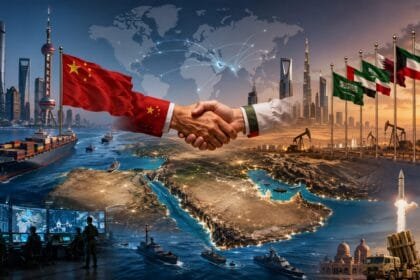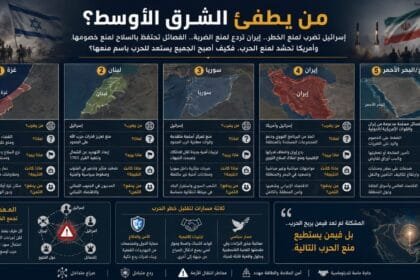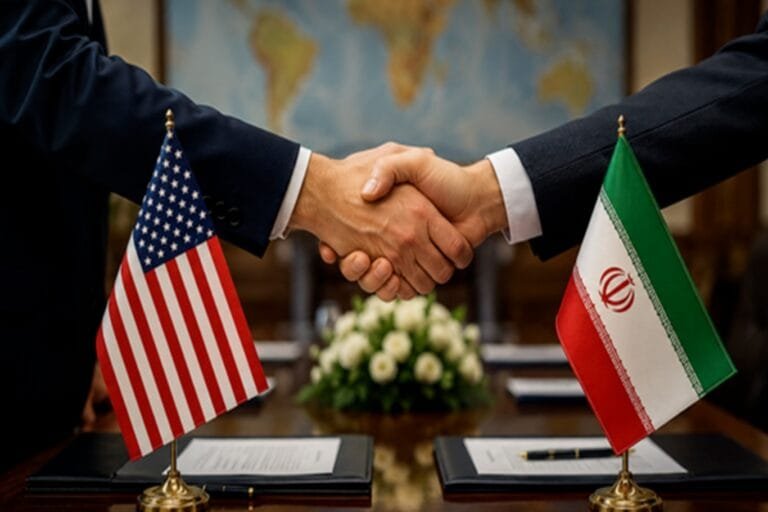
Geneva, Switzerland – The agreement reached between the United States and Iran has garnered widespread international attention as one of the most significant political developments in the region in recent times. This comes after months of heightened security tensions and escalating tensions that have impacted several Middle Eastern countries.
According to available information, the new understandings include a cessation of hostilities and the creation of conditions conducive to resuming diplomatic relations between the two sides. They also include arrangements related to maritime security and the reopening of vital trade routes, most notably the Strait of Hormuz, a crucial global energy artery.
The agreement also opened the door to a new round of political and technical negotiations to address outstanding issues, most notably the Iranian nuclear program. The parties involved are seeking to reach long-term understandings that guarantee stability and reduce the likelihood of future escalation.
Observers believe the agreement’s significance extends beyond US-Iranian relations to its repercussions on regional affairs, particularly in Lebanon, Iraq, Syria, and Yemen—arenas directly affected by tensions between Washington and Tehran in recent years.
Experts noted that the shift from escalation to the negotiating table represents a significant development. This could contribute to easing political and security crises in the region and offer the international community an opportunity to support diplomatic solutions instead of military confrontations.
Meanwhile, several complex issues remain under discussion, including the future of economic sanctions, mechanisms for monitoring nuclear activities, and guarantees for the implementation of mutual commitments. This makes the next phase crucial in determining the agreement’s success and sustainability.
The international community is awaiting the outcome of the upcoming talks expected to be held in Geneva, hoping that these understandings will mark the beginning of a more stable period in the Middle East. There is also hope that they will pave the way for broader political solutions to outstanding regional issues.