Tehran, Iran – Amidst intense diplomatic efforts to finalize an agreement to end the war, official media reports indicate that the delegation accompanying Iranian Foreign Minister Abbas Araqchi will rejoin him in the Pakistani capital, Islamabad, on Sunday evening. This follows a brief trip to Tehran to receive “high-level directives” regarding outstanding issues. The Tasnim news agency reported that a portion of the technical and political delegation had previously departed Islamabad to obtain specific insights from the Iranian leadership on core peace issues. Furthermore, this move reflects the sensitivity of the current phase and the need for the negotiating team to have broader authority regarding regional proposals.
Araghchi’s stops: from Muscat to Islamabad then Moscow
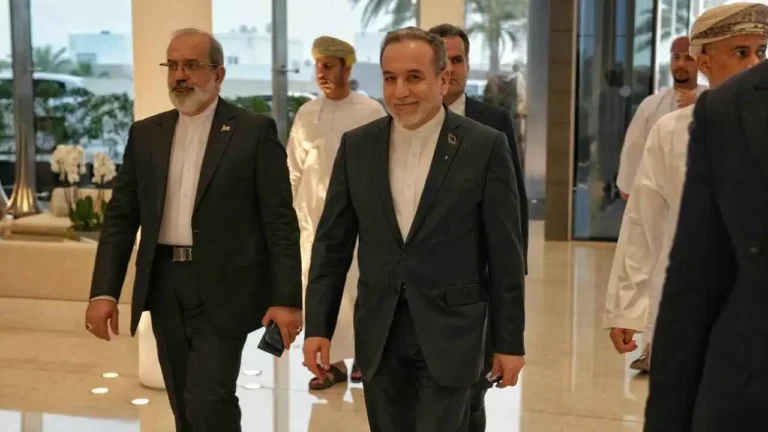
According to the announced schedule, Araqchi continued his shuttle diplomacy tour, which began in Pakistan. During this visit, he conveyed Tehran’s firm stance on the parameters of a settlement. Then, on Saturday evening, April 25, 2026, he traveled to Oman – the country’s most prominent traditional mediator – in a crucial stop aimed at forging comprehensive understandings. The Mehr News Agency reported that Araqchi would return to Islamabad for a second, more detailed visit immediately after his meetings in Muscat. He would also return before his subsequent trip to Moscow. This return was intended to finalize negotiations after receiving “sovereign directives” from Tehran. The delegation would then rejoin the minister on Sunday evening.
Strengthening trust with the Gulf states
In a related context, Iranian Foreign Ministry spokesman Ismail Baghaei affirmed that these moves reflect the importance Tehran attaches to its relations with the Gulf Arab states. Speaking on the “X” platform, he noted that the delegation’s visit to Muscat, the first since the outbreak of the war, underscores its commitment to strengthening trust and constructive cooperation. Baghaei added that the relations between Tehran and Muscat demonstrate Iran’s “sincere pursuit of mutually beneficial relations with its southern neighbors.” Observers believe that the coordination with Muscat and Islamabad indicates an Iranian desire to coordinate with traditional mediators before final negotiations. Meanwhile, there are signs that the coming hours may witness a significant development in the path toward political solutions to the regional crisis.