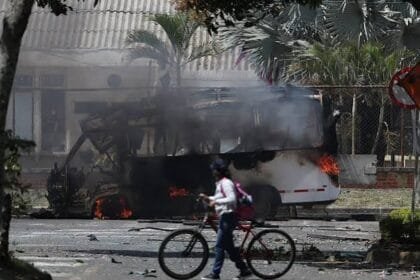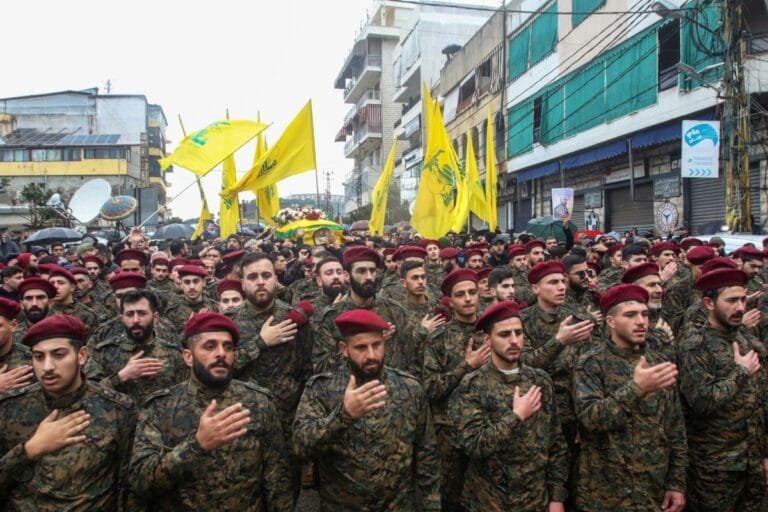
Beirut, Lebanon – Amid ongoing regional tensions between Israel and Hezbollah, the party announced its full commitment to the previously declared ceasefire. This came despite limited Israeli attacks on some border areas in recent days. A leading source within the party confirmed that any violation of the truce would be dealt with judiciously in a manner that preserves security and stability in Lebanon and the region. The source also stressed that the primary objective is to avoid a large-scale military confrontation.
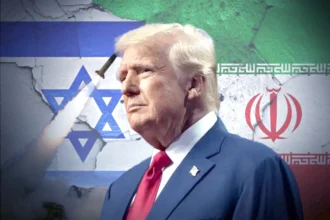
These statements come as the parties involved attempt to contain the repercussions of the recent Israeli-Iranian tensions, following a series of attacks and mutual threats. The latest of these developments was an escalation along the Lebanese-Israeli border. Observers note that Hezbollah’s commitment to the ceasefire reflects its awareness of the significant economic and political risks of any open confrontation. This is particularly relevant given the international pressure on Lebanon and the potential impact of any conflict on the stability of the Gulf states and the entire region.
Experts note that the current truce remains fragile, with both sides maintaining a defensive posture. At the same time, they are attempting to establish rules of engagement and avoid any provocations that could spiral out of control. According to sources, Hezbollah continues to coordinate with political and international actors to ensure that a direct confrontation is avoided. Israeli movements on the ground are also being closely monitored, as they represent the most sensitive factor in determining the course of the security situation in the near future.
Analysts believe that the continuation of the ceasefire despite the Israeli attacks carries a dual message. First, it confirms Hezbollah’s ability to control its responses in a way that serves its strategic interests. Second, it reinforces the party’s image as a responsible actor striving to maintain regional security despite external threats. In the same vein, international and Gulf media are closely following developments, particularly regarding the risk of any potential escalation spreading to the Gulf states and vital shipping lanes, such as the Strait of Hormuz. This presents the region with significant economic and security challenges should the truce fail to hold.