
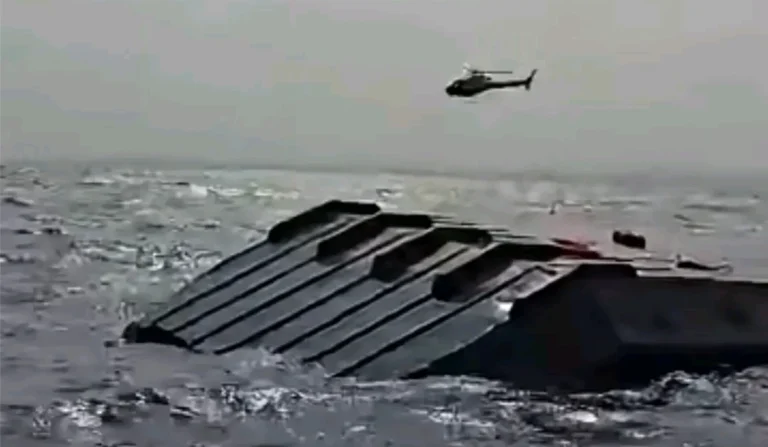
Harare – At least 15 people have died and 77 others were rescued after a passenger ferry capsized in Lake Kariba, northern Zimbabwe. Consequently, emergency dive units and rescue boats continue to sweep the water perimeter to locate missing passengers following the sudden maritime tragedy.
Furthermore, initial reports indicate that the vessel encountered strong waves while in transit, leading to a loss of stability and immediate capsizing. As a result, emergency first responders dispatched craft to pull survivors from the water and provide immediate medical treatment. However, search operations face operational complexities due to incomplete passenger manifests, as several unregistered passengers and children were on board at the time of the accident.
Capacity Violations and Regulatory Investigations
On the other hand, the tragedy has renewed intense scrutiny surrounding maritime safety protocols and commercial vessel capacity limits across inland waterways. Additionally, Zimbabwe authorities have launched a formal investigation to determine whether operator negligence and severe overcrowding contributed to the structural failure.
Consequently, as one of the world’s largest man-made lakes spanning the border with Zambia, Lake Kariba serves as a crucial transit hub for local communities, commercial fishing, and regional transport. Ultimately, regulatory agencies are under increasing pressure to enforce strict load limits and mandatory passenger logging to prevent future maritime catastrophes.
Finally, the ferry capsize on Lake Kariba underscores the urgent need for stringent safety enforcement across regional transport networks. Ultimately, the outcome of ongoing search efforts and formal investigation findings will dictate future regulatory policy for passenger transit on the lake.