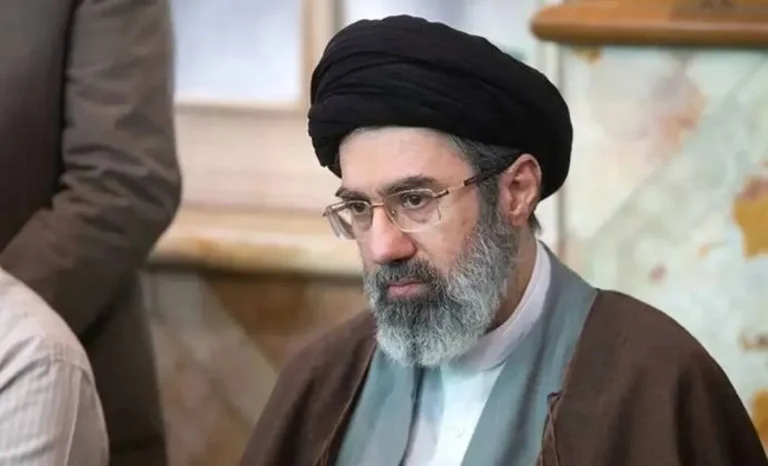
Tehran – Iran’s new Supreme Leader, Mojtaba Khamenei, has begun consolidating his authority within the nation’s national security institutions through a series of high-level leadership changes, according to a report by The Wall Street Journal. Consequently, these developments highlight an intentional restructuring designed to centralize decision-making authority across military and intelligence bodies.
Furthermore, the report indicated that the new leadership is leaning heavily on key military and security figures to navigate heightened internal and external pressures. As a result, the reshuffle impacts crucial command posts within the Islamic Revolutionary Guard Corps (IRGC), the Basij forces, and top security councils to unify institutional alignment.
Hardline Strategy and Regional Implications
On the other hand, analysts observe that these appointments deliver explicit political signals regarding Tehran’s future foreign and defense policy trajectory. Specifically, the military-centric approach aims to fortify Iran’s posture amid ongoing disputes over its nuclear program and diplomatic friction with the United States.
Additionally, the structural shift is expected to influence regional dynamics and maritime security across the Strait of Hormuz. Consequently, empowering senior defense figures underscores Tehran’s intention to adopt a firmer strategy to counter economic constraints and regional isolation.
Finally, the consolidation of national security organs serves as a foundational effort for Mojtaba Khamenei’s leadership agenda. Ultimately, incoming policy decisions and field developments will determine the long-term impact on regional stability.