Cairo, Egypt – The Arab Republic of Egypt strongly condemned the targeting of two Emirati oil tankers as they transited the Strait of Hormuz.
It considered the attack a serious violation of international law and a direct threat to the security
and safety of maritime navigation and the freedom of trade in one of the world’s most important waterways.
Egyptian rejection of targeting navigation
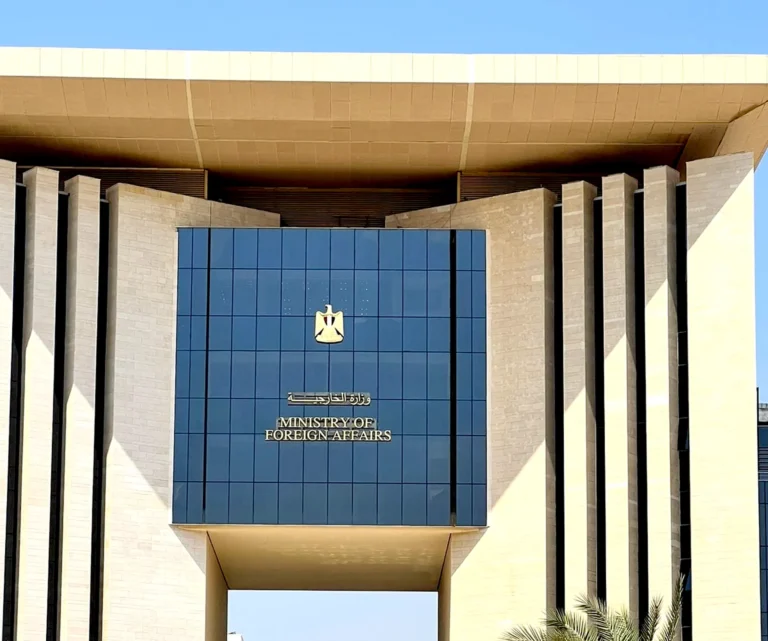
The Egyptian Ministry of Foreign Affairs, in a statement, affirmed Cairo’s complete rejection of
all acts targeting ships and civilian facilities or endangering maritime security and global energy supplies.
It stressed the necessity of adhering to the rules of international law and refraining from any practices
that could escalate tensions and widen the circle of conflict in the region.
The Ministry added that targeting commercial vessels in international waterways threatens the stability of global trade.
Furthermore, it increases the risks to energy security, which necessitates
responsible action to maintain the safety of international navigation.
Full solidarity with the UAE
Egypt expressed its full solidarity with the United Arab Emirates,
affirming its support in confronting all threats to its security and interests.
It also declared its support for all efforts aimed at protecting the security and stability of the region.
Cairo reiterated the importance of respecting the sovereignty of states and ensuring
the security of international maritime routes, given their vital role in global trade and energy supplies.
A call to contain the escalation
The statement stressed the need to halt all actions that could escalate tensions in the region,
calling for prioritizing political and diplomatic solutions to contribute to maintaining regional security and stability.
The Egyptian position comes amidst rising tensions in the Gulf region and growing international concerns
about the impact of targeting commercial vessels in the Strait of Hormuz on global shipping and energy markets.
This also occurs amidst regional and international calls to prevent further
escalation in the region and to preserve the security of vital maritime routes.