Tehran, Iran – Shipping traffic through the Strait of Hormuz remains below normal levels, despite a gradual improvement in the number of transiting vessels.
Meanwhile, shipping data reveals continued confusion regarding transit routes between the Omani and Iranian routes.
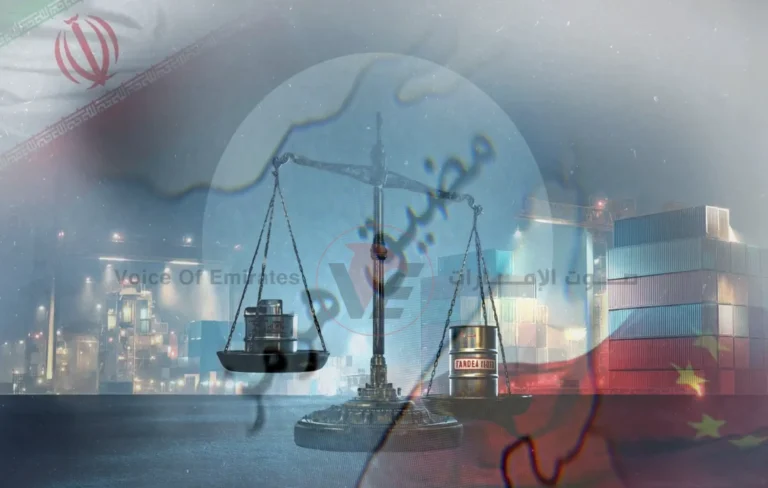
Iran has also hinted at the possibility of granting China preferential treatment regarding transit fees.
Shipping traffic below normal levels
Data from the Hormuz Strait Monitor shows that only 40 ships transited
the strait in the past 24 hours, carrying a total of 3.7 million tons of cargo.
This represents approximately 35.9% of the normal daily average of 10.3 million tons.
Meanwhile, an additional 35 ships are currently transiting the strait.
Other data indicates that US forces continue to escort ships transiting the route close to the Omani coast.
Conversely, some tankers have increased their use of the Iranian route,
but this has not yet resulted in a recovery of crude oil exports to their usual levels.
Energy flows decline and tankers return
Specialized reports indicate that oil and gas flows through the Strait of Hormuz remain below pre-escalation levels.
A significant decrease in liquefied natural gas (LNG) tanker traffic has also been observed.
Meanwhile, several tankers have turned back or altered their routes due to the ongoing uncertainty.
Reports suggest that some of the tankers bound for Iraq may be carrying Iranian crude oil.
Furthermore, Iran’s exports continue to increasingly favor the Chinese market,
which could explain the slow return of some tankers to their usual shipping routes.
China and potential transit fees
In a notable development, Iran hinted at the possibility of granting
China special treatment in any future fees imposed on ships transiting the Strait of Hormuz.
This comes amid ongoing discussions regarding mechanisms for managing maritime traffic following recent agreements.
Observers believe that the continued decline in transit, coupled with fluctuating ship routes,
reflects the fragility of the recovery in one of the world’s most important waterways.
Despite this, diplomatic efforts continue to reduce tensions and ensure the smooth flow of global energy trade.