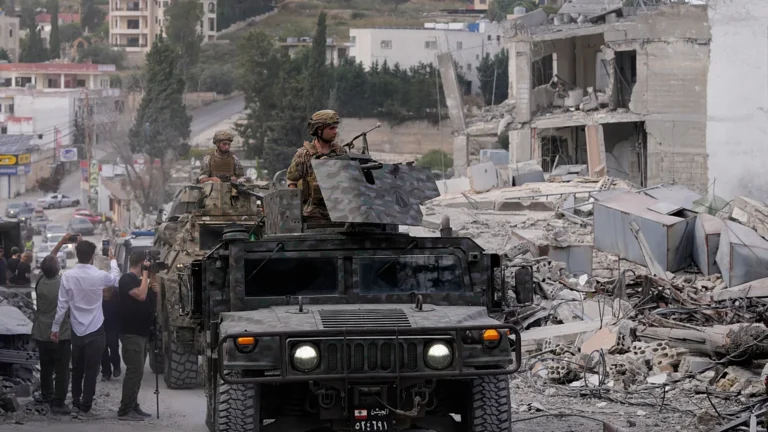
Beirut, Lebanon – Military operations continue in southern Lebanon amid a significant escalation on the ground. The Lebanese National News Agency reported on Friday that Israeli warplanes carried out two airstrikes targeting the outskirts of the town of Nabatieh al-Fawqa, in the Nabatieh Governorate of southern Lebanon. This resulted in plumes of smoke rising from the area, creating an atmosphere of anticipation and caution.
According to field sources, the Israeli airstrikes are part of a series of intensified military operations in the border region. These operations have not been limited to airstrikes but have also included ground incursions and the systematic destruction of infrastructure and private property.
Systematic destruction in the town of Markaba
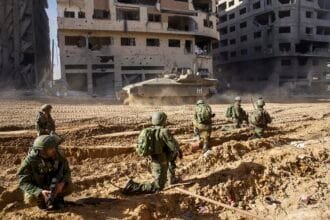
In a remarkable field development, the National News Agency revealed that since this morning, Israeli forces have been carrying out large-scale bulldozing operations in the town of “Markaba”, located within Nabatieh Governorate.
Reports indicated that these operations are not limited to land settlement. It also includes arson of residential homes. This, in turn, exacerbates the suffering of the people, most of whom were displaced as a result of the continuous bombing.
The town of Markaba has witnessed escalating tensions in recent days. These developments on the ground are part of what observers describe as an attempt to depopulate border villages and transform them into buffer zones. This further complicates the security situation along the Blue Line.
Displacement crisis and humanitarian consequences
These developments coincide with growing fears of an escalation in the fighting. Residents of southern villages are experiencing forced displacement, amidst appeals for help from municipalities and humanitarian organizations. These appeals aim to provide urgent support to families who have lost their homes and belongings due to bulldozing and shelling.
Initial estimates indicate that the damage to property and homes in the towns of Nabatieh Governorate is extensive. Civil defense and ambulance teams are facing difficulties reaching the affected areas due to the ongoing military operations. In addition, Israeli reconnaissance aircraft are flying intensively over the southern villages and towns.
Continued tension on the ground
This escalation comes at a time of anticipation surrounding diplomatic efforts aimed at containing the situation and preventing the Lebanese front from sliding into a wider war. However, the reality on the ground tells a different story, with continued exchanges of attacks and escalating military operations. Southern Lebanon has thus become a flashpoint directly affected by regional events. Residents of the area remain anxiously watching the situation, awaiting any signs of calm that might allow them to return to their homes. Meanwhile, the current pace of military operations increases the likelihood of a prolonged conflict and widespread destruction in border villages.