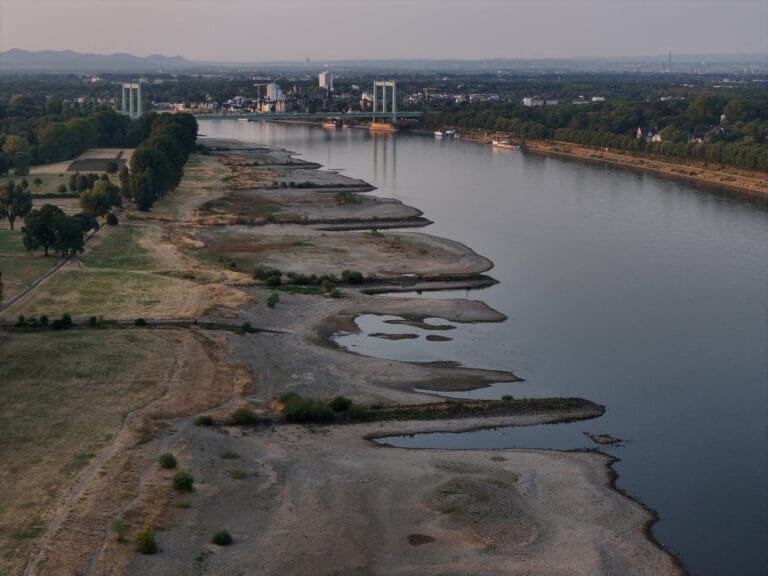
Vienna – Austria is facing mounting pressure on its hydropower sector as severe drought and elevated summer temperatures drastically reduce flow rates along the Danube River. Consequently, these environmental conditions highlight the growing vulnerability of water-dependent energy infrastructure across Central Europe.
Furthermore, water discharge near the Greifenstein power plant dropped sharply to approximately 700 cubic meters per second, compared to a historic seasonal average of nearly 2,000 cubic meters per second. As a result, hydroelectric generation capacity has contracted sharply at a moment when peak summer cooling demands drive electricity consumption upward.
Climate Impacts and Energy Diversification Strategies
On the other hand, energy experts warn that the crisis underscores the systemic threat posed by climate change to European utility networks, exacerbated by diminished winter snowfall. Additionally, low water levels disrupt commercial river shipping, industrial production, and agricultural activities dependent on the Danube waterway.
Consequently, Austrian policymakers are accelerating investments in solar power, wind energy, and grid-scale storage solutions to fortify national energy security. Ultimately, these initiatives aim to reduce reliance on river flow and cushion the economy against recurring drought cycles.
Finally, the shrinking Danube presents a critical strategic challenge that reaches far beyond immediate environmental concerns. Ultimately, rapid diversification into renewable energy and enhanced water resource management will determine Austria’s ability to maintain grid stability and economic resilience.