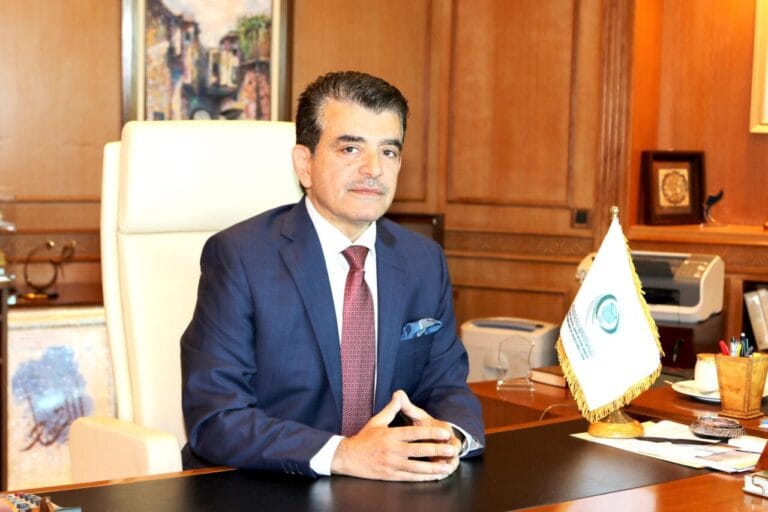
Rabat, Morocco – The Director-General of the Islamic World Educational, Scientific and Cultural Organization (ICESCO), Dr. Salim bin Mohammed Al-Malik, affirmed that the art of Maqam represents one of the most prominent forms of intangible cultural heritage in the Islamic world. He emphasized that it is a living heritage that transcends geographical boundaries and reflects the depth of civilizational and cultural ties between peoples.
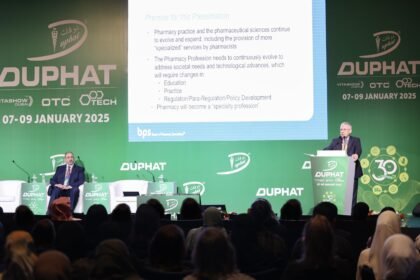
During an international cultural event dedicated to celebrating the art of Maqam and its role in preserving cultural identity, Al-Malik explained that this ancient art is not merely a distinctive musical style. Rather, it is a shared human language that contributes to strengthening understanding and communication between different cultures and civilizations.
He pointed out that the art of Maqam, which has a long history spanning centuries in several countries of the Islamic world, represents a living record of collective memory. It also embodies artistic and human values that reflect the cultural diversity and civilizational richness that characterize the region.
He added that ISESCO places great importance on protecting elements of intangible cultural heritage and working to document and transmit them to new generations. This stems from the fact that these elements are considered an essential part of the national and cultural identity of peoples. Furthermore, they are an important source for promoting creativity and cultural diversity.
He emphasized that preserving traditional arts, including the art of Maqam, requires broad international and institutional cooperation. This is achieved through supporting education, training, and digital documentation programs, and by encouraging initiatives that contribute to reviving and developing this cultural heritage in a way that meets the demands of the modern era.
The Director General of ISESCO emphasized that culture and the arts are capable of building bridges of communication between nations and promoting the values of peace and coexistence. He affirmed that the art of Maqam remains a prominent example of the shared heritage that unites peoples. It also reflects the unity of human values despite differences in language and borders.
These statements come within the framework of ISESCO’s ongoing efforts to support cultural heritage in the countries of the Islamic world. It also seeks to enhance its presence on the international stage as a fundamental pillar of intercultural dialogue and sustainable cultural development.