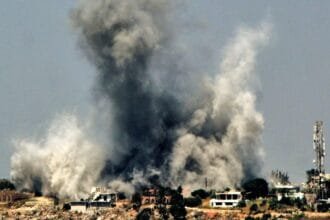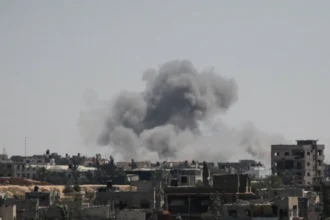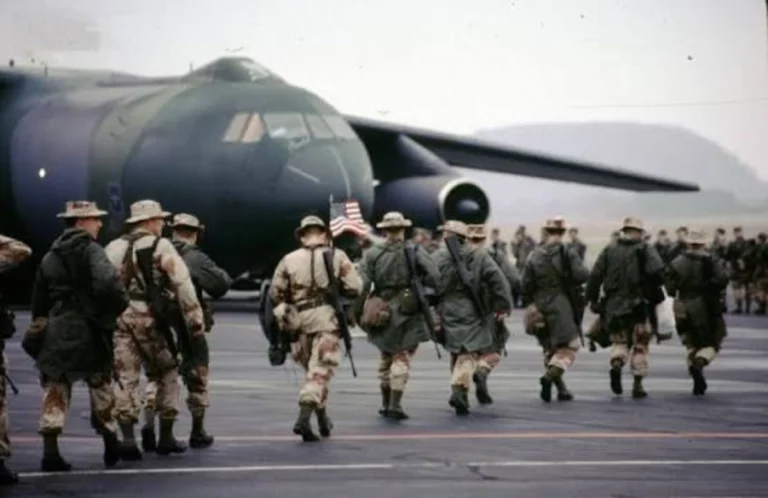
Washington, United States — The U.S. Department of Defense has initiated a comprehensive assessment regarding the future of its military posture in the Gulf following damage sustained by several bases during the war with Iran. Consequently, Washington is evaluating options that include force reductions and altering its deployment architecture across the region. Furthermore, the review reflects a strategic shift toward minimizing operational risks associated with large, fixed military installations.
Strategic Assessment and CENTCOM Evaluation
Proposals under consideration within the Pentagon include downsizing troop numbers and choosing not to rebuild certain damaged facilities, potentially altering the long-term character of U.S. regional deployment. Additionally, a senior defense official confirmed that the Joint Chiefs of Staff and U.S. Central Command (CENTCOM) are leading the evaluations to determine post-war infrastructure requirements.
Official sources clarify that no decision for a complete withdrawal has been made, framing the process as a forward-looking risk and cost assessment. Consequently, defense planners aim to adapt operational doctrine to realities revealed during the conflict with Iran.
Transition Toward Mobile Assets and Rapid Response
The ongoing review indicates that U.S. strategy may increasingly rely on mobile forces, naval units, long-range strike platforms, and air assets rather than fixed bases in partner nations such as Bahrain, Qatar, and Kuwait. Additionally, this flexible posture aims to preserve rapid intervention capabilities while reducing vulnerable physical footprints.
Finally, defense analysts anticipate that the assessment will conclude with strategic repositioning and targeted downsizing rather than a full regional exit. Ultimately, the future footprint of U.S. forces in the Gulf remains pivotal to regional security posture.