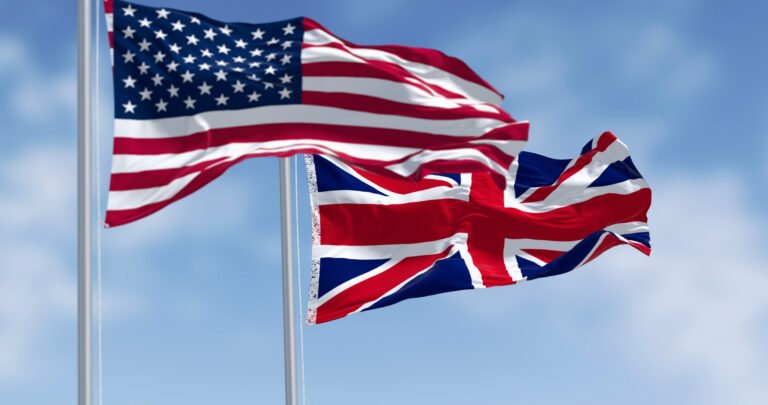
London – United Kingdom — British authorities have triggered a massive wave of international political and media controversy after enforcing an administrative directive to bar several prominent American commentators and media personalities from entering the United Kingdom. It is a calculated operational maneuver that the affected individuals have directly linked to their explicit geopolitical stances and public criticisms of Israel and the ongoing war within the Gaza Strip.
Electronic Travel Authorizations Canceled Ahead of London and Oxford Events
According to recent investigative media and journalistic briefings, the British Home Office abruptly revoked the Electronic Travel Authorizations (ETAs) issued for the Turkish-American media executive “Cenk Uygur,” founder and primary host of the globally acclaimed news network “The Young Turks,” alongside the prominent political commentator and streaming activist “Hasan Piker.” This rigid administrative action was executed merely days prior to their scheduled engagements in a series of intellectual symposia, public panels, and conferences slated to take place across London and Oxford.
According to recent investigative media and journalistic briefings, the British Home Office abruptly revoked the Electronic Travel Authorizations (ETAs) issued for the Turkish-American media executive “Cenk Uygur,” founder and primary host of the globally acclaimed news network “The Young Turks,” alongside the prominent political commentator and streaming activist “Hasan Piker.” This rigid administrative action was executed merely days prior to their scheduled engagements in a series of intellectual symposia, public panels, and conferences slated to take place across London and Oxford.
Accusations of Political Censorship vs. Preserving Communal Cohesion
Reacting swiftly to the development, Cenk Uygur asserted that London’s decision is tied directly and inextricably to his conceptual positions critical of Israeli state policies. He verified through official statements on his verified social media accounts that he was served the travel ban and blocked from boarding while actively preparing to depart for London to fulfill his speaking commitments. Similarly, Hasan Piker announced that he had been subjected to the exact same administrative restriction, lodging direct accusations against pro-Israeli lobbying apparatuses for exerting targeted political leverage to compel the British executive branch to bar his entry.
Conversely, British political figures and domestic interest groups rallied in defense of the Home Office’s mandate. They pointed out that previous public assertions by the two American speakers had historically drawn explicit allegations of antisemitism or the propagation of highly divisive social rhetoric—factors that prompted multiple British organizations to formally petition the state for an absolute entry ban.
The incident has ignited a fierce constitutional and civil rights debate within the UK’s legal and human rights networks. Free speech advocacy groups warned that such preemptive state interventions could establish a dangerous precedent, opening the floodgates to systematic suppression of controversial political dissent. On the other hand, the British government reinforced its position that anchoring domestic security, maintaining civil peace, and neutralizing hate speech remain paramount sovereign priorities. This polarizing event unfolds amid an intensifying Western macro-debate surrounding the calibration of speech tied to Middle Eastern conflicts, highlighting deep systemic fractures regarding the precise boundary separating legitimate freedom of opinion from incitement and hate speech.