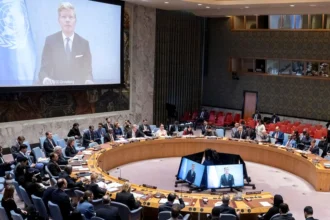
Kampala, Uganda – Ugandan authorities have announced the immediate closure of borders with the Democratic Republic of Congo (DRC) in an effort to contain the spread of the rare “Bundibugyo” strain of the Ebola virus. This move follows the confirmation of seven cases within the country, including one fatality in the capital, Kampala. The decision was reached during a meeting of the local task force chaired by Ugandan Vice President Jessica Alupo. Moreover, this happened amidst growing fears of cross-border transmission due to an influx of patients from the DRC.
Rising Cases and Medical Personnel Concerns
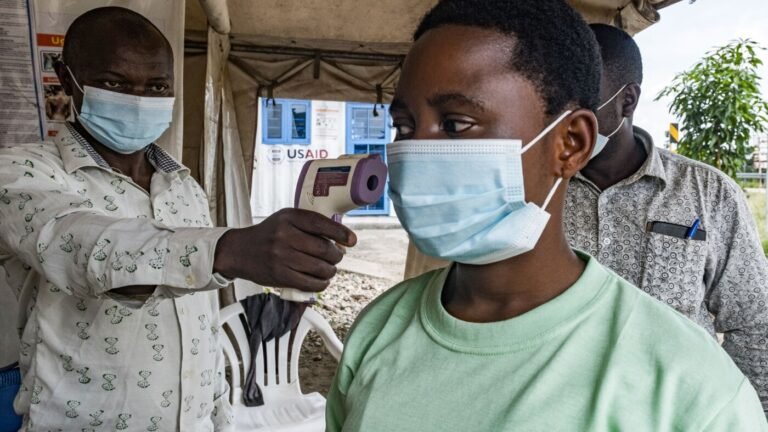
Health authorities in Uganda confirmed that medical personnel are among the most vulnerable to the virus due to direct contact with patients arriving from affected areas in the DRC. Additionally, Dr. Diana Atwine, Permanent Secretary of the Ugandan Ministry of Health, stated that the number of contacts is rising steadily. She warned of potential transmission from healthcare workers to their families and the wider community.
International Criticism and Risks of Unofficial Crossings
The World Health Organization (WHO) criticized the border closure decision, arguing that such measures lack a clear scientific basis. Furthermore, they may force travelers to use unofficial, unmonitored crossings, thereby increasing the risk of virus spread. Despite the criticism, the WHO has declared the rare Ebola outbreak an international public health emergency. This is due to the rapid increase in cases and deaths.
Complex Field Challenges in Congo
Health authorities in the DRC are facing significant challenges in containing the disease. There are suspected cases nearing 1,000, 220 potential deaths recorded, and 101 confirmed cases to date. In addition, health reports indicate that delays in identifying the rare strain, complex security conditions, the density of displaced populations, and weak infrastructure have all contributed to the rapid spread of the virus within the country.