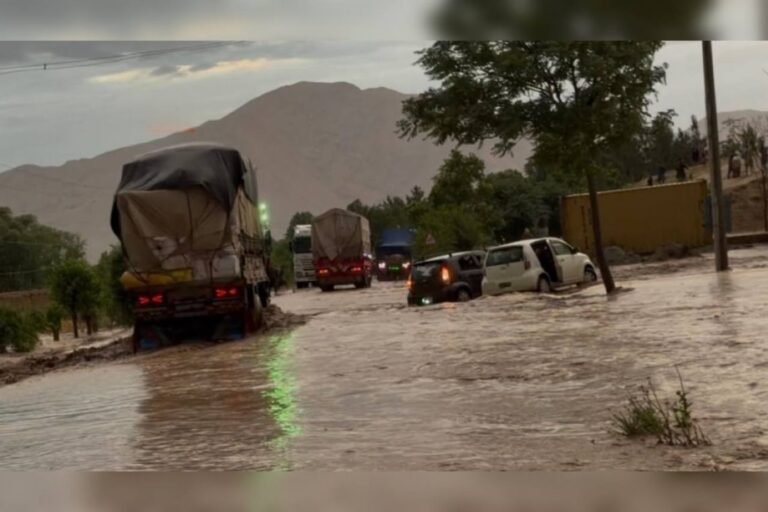
Kabul, Afghanistan – The National Disaster Management Authority in Afghanistan has revealed a tragic new toll. At least 28 people have been killed, and 10 others injured over the past 48 hours. Consequently, these heavy casualties are the direct result of torrential rain, flash floods, and massive landslides that struck 17 Afghan provinces simultaneously. On the other hand, lightning strikes have further complicated the already dire situation on the ground. Therefore, the government is continuing emergency efforts to provide relief to thousands of affected families. Officials are also assessing the immense scale of infrastructure destruction.
Thousands Displaced and Widespread Infrastructure Collapse
In the same context, the authority stated that the natural disaster resulted in the destruction of approximately 9,000 homes, either partially or completely. As a result, thousands of families are now homeless under harsh weather conditions. Furthermore, the floods washed away critical road networks. Also, floods destroyed basic utility facilities, including power stations and water grids. From this perspective, rescue teams have faced significant logistical challenges in reaching remote villages. Specifically, mudslides have effectively isolated vast areas. This makes relief efforts a race against time to save those trapped under the rubble.
Agricultural Losses Threaten Food Security for the Affected
Beyond urban destruction, heavy rains caused damage to vast tracts of fertile agricultural land. Based on this, the livelihoods of thousands of rural families are now at grave risk. It is worth noting that agriculture serves as the backbone of the local economy in the affected provinces. Consequently, the loss of crops threatens a severe food security crisis in the coming months. Moreover, the floods inflicted heavy damage on major roads. This hinders the transportation of humanitarian aid and essential supplies to the most devastated regions.
Ongoing Relief Challenges and Warnings of Future Waves
Ultimately, Afghan authorities confirmed they are doing everything in their power to deliver urgent aid to the victims. Despite these efforts, emergency teams continue to face major hurdles due to persistent bad weather. Furthermore, the meteorological department has issued official warnings regarding the potential for continued heavy rainfall in the coming days. This disaster serves as a grim reminder of the fragility of Afghanistan’s infrastructure and the limited resources allocated for responding to recurring natural disasters. As a result, the humanitarian situation in Afghanistan remains under close watch. Officials are waiting for a weather reprieve.