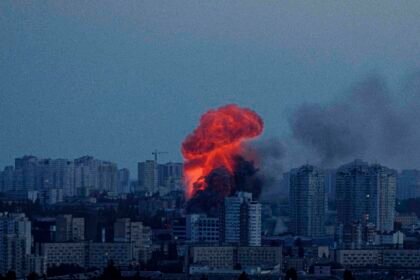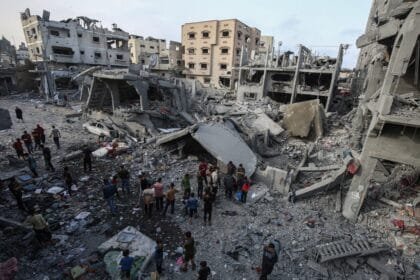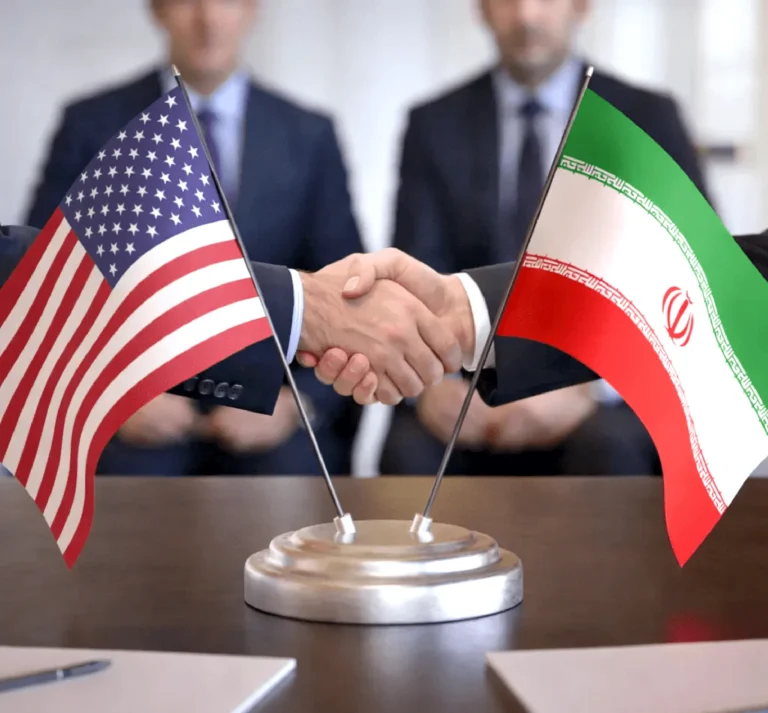
Washington, DC – Axios quoted a US official as saying that the United States believes the continued stalemate in negotiations with Iran could lead to military escalation. The official added, “If Iran doesn’t change its stance, the negotiations will be conducted with bombs.”
These statements come amid rising regional tensions and ongoing indirect talks
between Washington and Tehran regarding Iran’s nuclear program.
Disagreements persist over enrichment levels, sanctions relief, and the future of regional security arrangements.
Escalation in Washington’s rhetoric
Recent US statements reflect a hardening of the US administration’s stance on the Iranian nuclear issue.
This is particularly evident given the ongoing disagreements regarding the guarantees required from both sides
and the mechanisms for lifting economic sanctions imposed on Tehran.
US President Donald Trump had previously warned that Iran would face “a very bad time” if an agreement was not reached.
He also affirmed that Washington would not allow Tehran to possess a nuclear weapon.
Iran stands firm on its demands
In contrast, Iranian President Masoud Pezeshkian emphasized
that his country would not back down from its demands presented to the United States.
He asserted that dialogue must be based on “rationality and mutual respect.”
Media reports also revealed the continued disagreement regarding the lifting of sanctions and the release of frozen Iranian assets.
Furthermore, Iran is demanding a permanent end to the war and the reopening of the Strait of Hormuz.
Fears of escalation widening
The American statements are raising growing concerns that the confrontation
between the two sides could escalate from the diplomatic track to military confrontation.
This comes at a time when the region is witnessing escalating security tensions
and mutual threats affecting international navigation and global energy security.
Observers believe that the future of negotiations will depend largely on the ability of international
and regional mediators to bridge the gaps between the two sides.
It is also crucial to prevent the crisis from spiraling into a wider regional conflict.