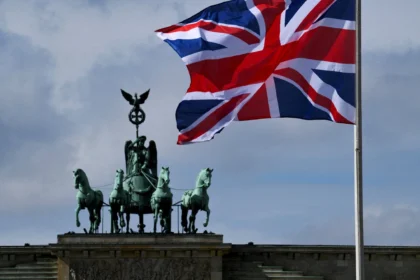
Paris, France – British Foreign Secretary Yvette Cooper strongly defended the joint UK-France plan to send an international maritime mission to the strategic Strait of Hormuz. Her remarks came in response to media reports suggesting that NATO was considering a similar military mission to the region. Cooper stated that the plan, backed by British Prime Minister Keir Starmer and French President Emmanuel Macron, is not limited to NATO. It includes countries “from around the world” to form a broad international front to protect energy security.
An international initiative separate from the military conflict
The British Foreign Secretary, in remarks carried by the British news agency PA Media, clarified that the British-French initiative is entirely separate from the current military conflict. She emphasized that the naval mission will not begin its actual operations on the ground until all hostilities in the region have ceased. Cooper stated, “We want to reopen the Strait of Hormuz safely because Iran is currently effectively hijacking the global economy with its actions. We see countries on the other side of the world experiencing severe restrictions on their fertilizer supplies, along with record-high oil and gas prices due to the restrictions imposed in the Strait.”
The minister added, touching on the domestic aspect: “This crisis is directly affecting us in the United Kingdom, and is negatively impacting the daily cost of living for citizens here in the country. That is why London’s approach has been to lead the diplomatic and economic pressure, and to assemble this international coalition of 50 countries to defend freedom of navigation.”
Deploying advanced naval vessels to counter Iranian mines
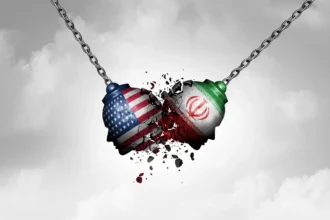
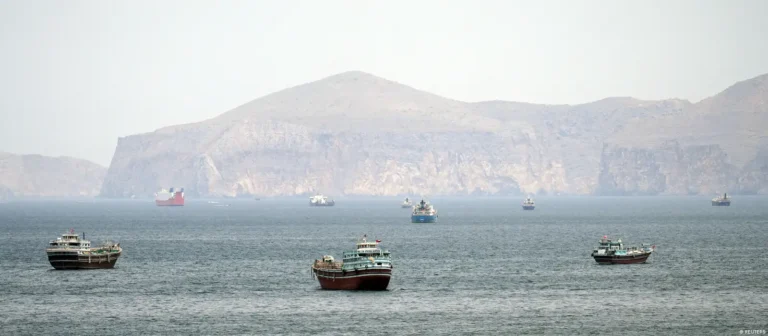
The British-French plan is set to utilize advanced military equipment and naval vessels. This will likely include the renowned British destroyer HMS Dragon, to ensure the safe passage of commercial shipping. The plan will also focus on clearing sea mines from the vital oil and gas shipping route that Tehran has effectively blocked since the start of the recent US-Israeli military offensive.
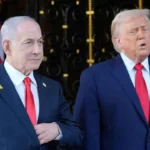
This independent initiative comes at a time when US President Donald Trump is sharply criticizing NATO for its refusal to provide direct support for his aggressive military and political actions against Iran. This has prompted London and Paris to build a broader alliance that goes beyond the traditional NATO umbrella.