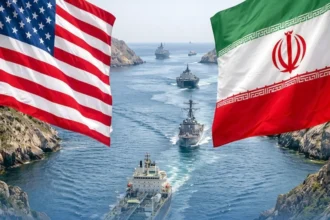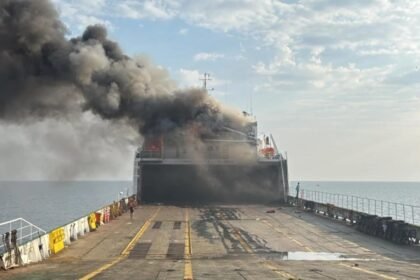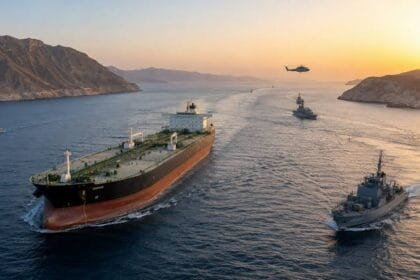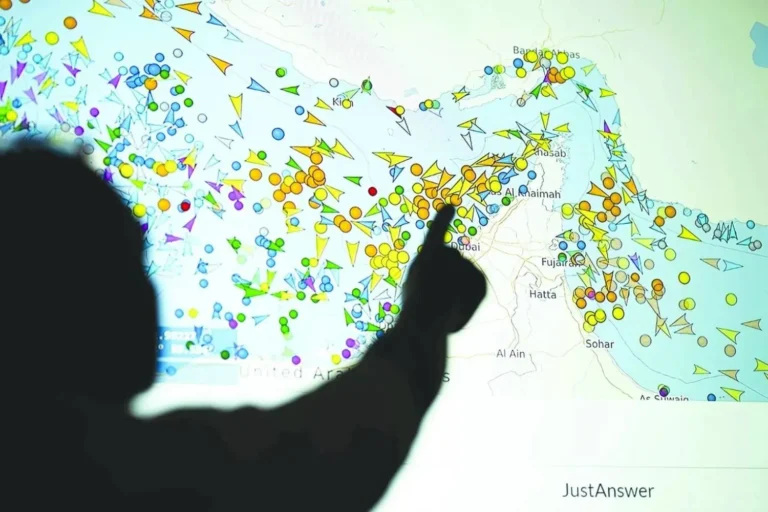
New York – In a coordinated diplomatic move reflecting international concern, the United States and the Kingdom of Bahrain have submitted a joint draft resolution to the UN Security Council aimed at establishing an international “security umbrella” over the Strait of Hormuz. Obviously, by May 2026, this move seeks to transform maritime protection from mere “political understandings” into a “binding legal framework” that prevents any attempts to obstruct oil tankers, following a series of incidents that recently threatened the stability of global supply chains.
“International Oversight”: Behind the Resolution and Ways to De-escalate the Strait
The US-Bahraini draft includes provisions calling for enhanced security monitoring mechanisms and intensified coordination among relevant nations to ensure the safety of commercial vessels. Accordingly, the resolution demands a halt to all provocative actions that could spark a military confrontation in the strait, asserting that the security of “Hormuz” is a red line for the global economy. Clearly, coordination with Manama, as a vital hub for maritime security in the region, adds significant weight to the project to ensure regional and international consensus.
“The Vote Battle”: Can the Security Council Pass the “Maritime Guarantees”?
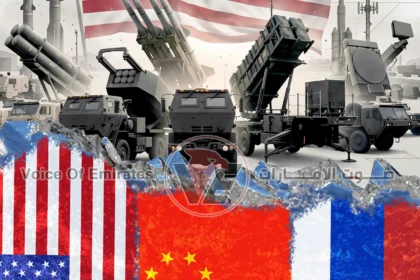
Observers believe the draft resolution will spark intense debates within the Security Council, particularly given the differing views among major powers regarding the “nature of international intervention.” As a result, the international community is closely watching the positions of permanent members toward this initiative aimed at protecting the global “energy nerve.” In this landscape, the joint US-Manama push serves as a clear message that maritime security is a collective responsibility beyond interpretation, and any threat to the strait will be met with a firm legal and international response.