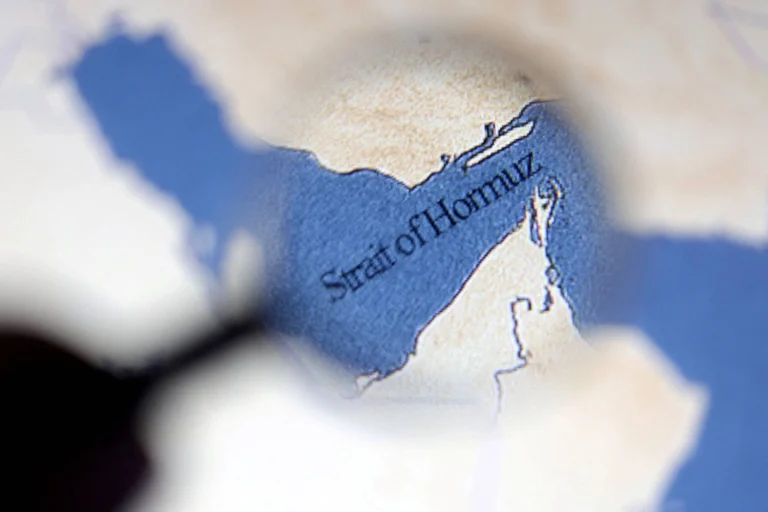
New York – In a high-level diplomatic maneuver, U.S. Secretary of State Marco Rubio announced that the United States is set to introduce a new draft resolution to the UN Security Council to address the “boiling” situation in the Strait of Hormuz. Obviously, by May 2026, Washington has decided to move the confrontation to the international stage. The proposed resolution seeks to establish a strict legal framework ensuring international freedom of navigation and preventing any attempts to obstruct commercial vessels, amid security threats that have recently rattled global energy markets.
“Energy Security First”: How is Washington Planning to Protect the World’s Most Vital Waterway?
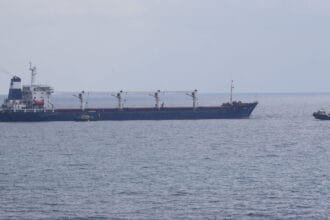
Rubio emphasized that the stability of the Strait of Hormuz is not merely an American desire but an ultimate necessity for the entire global economy. Accordingly, the State Department is conducting “marathon” consultations with Security Council member states to mobilize international consensus and end the security fluidity in the strait. Clearly, the draft resolution seeks to impose international measures to prevent tanker targeting, asserting that any threat to this vital artery is unacceptable “direct pressure” on global livelihoods and supply security.
“The Great Powers Test”: Can the Security Council Curb the Tension?
Observers believe the U.S. move places major powers, particularly China and Russia, before their responsibilities regarding maritime security. As a result, everyone is watching the extent of consensus on a final version of the resolution that could contain the crisis or at least set international limits on escalation. In this complex landscape, the Strait of Hormuz remains the “thermometer” of global stability; any failure to pass the resolution could open the door to darker scenarios in the Gulf, potentially driving energy prices to unprecedented record levels.