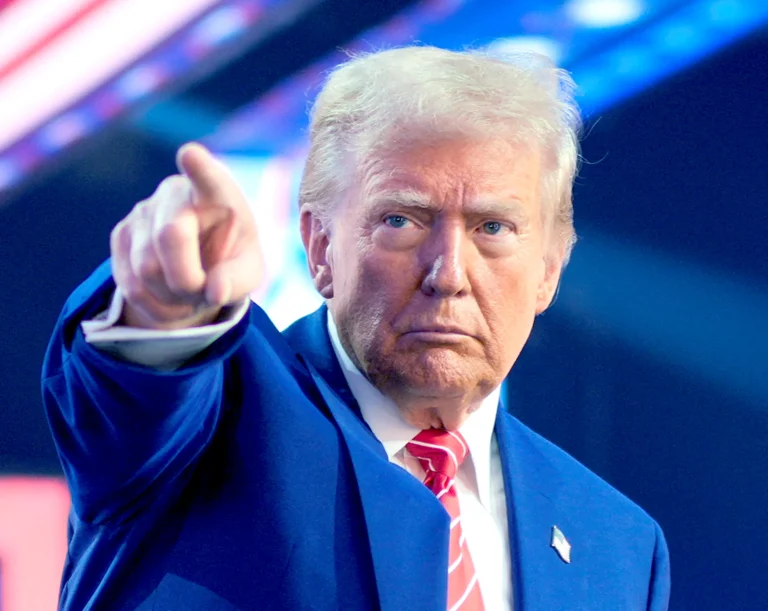
Washington – US President Donald Trump revealed indicators suggesting that Tehran might present a diplomatic offer in the coming period aimed at meeting part of the US demands to open a new negotiation path. Trump clarified that any Iranian move must directly respond to US conditions regarding the nuclear program, regional influence, and the ending of the economic sanctions file. Accordingly, the future of US-Iran negotiations 2026 represents a real test of both parties’ willingness to make mutual concessions, at a time when speculation is increasing about secret communication channels operating away from the noise of media statements.
The “Expected Offer”: Will Washington Succeed in Forcing Tehran to the Table?
Trump indicated that continued US pressure may soon bear fruit through a “realistic” Iranian offer that addresses Washington’s security and political concerns. Obviously, the current US administration is betting on the “Maximum Pressure” policy to force Iran to negotiate under new terms. As a result, observers believe the next phase will test the flexibility of the Iranian stance, especially since Tehran still outwardly clings to demands for full sanctions relief and respect for sovereignty as a condition for any formal dialogue.
A Conflict of Wills: Between Sanctions Relief and Strict Nuclear Terms
Trump’s statements come amid a volatile regional situation that makes any glimmer of hope for negotiation a matter of broad international interest. Certainly, the complexity of overlapping files makes reaching a quick agreement difficult, but talk of an “upcoming offer” opens the door to new scenarios for reshaping the balance of power. Accordingly, the future of US-Iran negotiations 2026 remains the most prominent headline of the international political scene, amid anticipation of what the rounds of mutual pressure between the two powers will yield in the coming days.