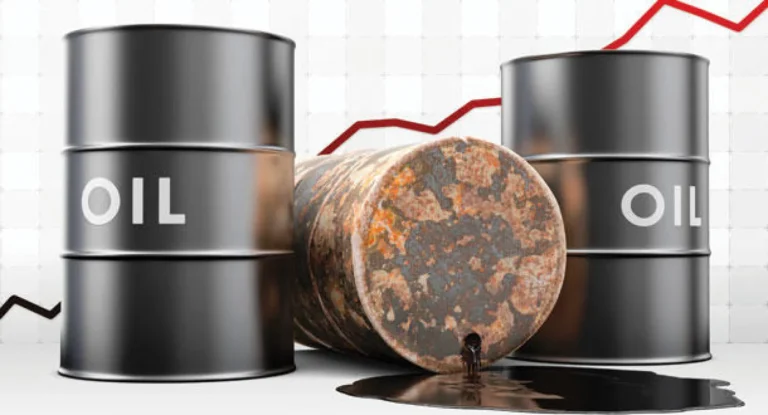
London – Global energy markets experienced sharp volatility as Brent crude futures retreated from record gains following President Donald Trump’s surprise announcement to extend the ceasefire with Iran. Crude had surged by over 5%, reaching an intraday high of $101.15 per barrel due to escalation fears, before Trump’s statement calmed markets by linking continued de-escalation to Tehran providing a “tangible proposal.” Accordingly, the geopolitical impact on oil prices remains the market’s primary driver, with eyes now fixed on whether the coming days will bring a diplomatic breakthrough or a return to tension.
Calming Military Fears: Why Did Brent Drop After Trump’s “Cue”?
President Trump clarified that the ceasefire remains in effect pending a “unified proposal” from Iranian leaders, which significantly eased immediate fears of a military confrontation. Obviously, traders rushed to take profits as soon as the details of the new US stance emerged, leading to a gradual price decline. As a result, the “risk premium” that pushed Brent above the $100 threshold diminished, though the market remains on high alert for Iran’s next move to determine the future price direction.
Naval Blockade Persists: US Pressure Sets a Floor for Price Declines
Despite the military de-escalation tone, Trump confirmed that the US naval blockade on Iranian exports remains unchanged, maintaining market caution. Certainly, restricting the flow of Iranian oil prevents any major price collapses, as global supply stays under the pressure of the blockade. Accordingly, the geopolitical impact on oil prices remains a decisive factor in keeping crude stable below the $100 mark, a stability that depends entirely on the seriousness of upcoming negotiations and their ability to advance the political track.