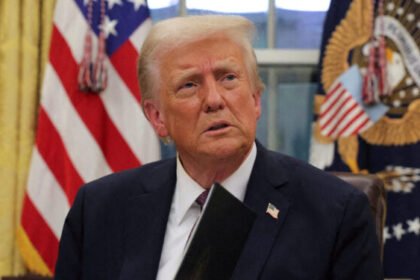
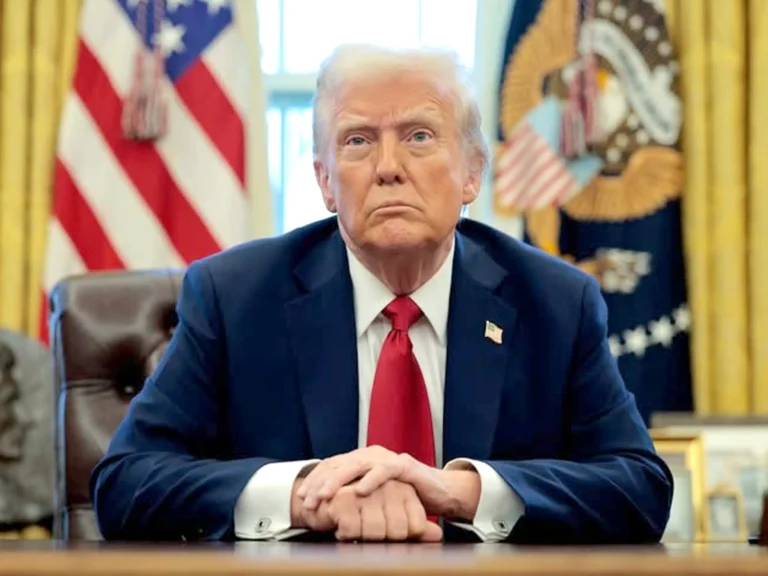
Washington – The Wall Street Journal has revealed that President Donald Trump is seriously discussing the possibility of canceling Vice President J.D. Vance’s scheduled trip to Islamabad. This move comes as intelligence reports indicate Tehran is unwilling to offer real concessions regarding its uranium enrichment levels—a top priority for Washington. Accordingly, the future of Iranian nuclear negotiations faces a total deadlock, with the Trump administration leaning toward a return to the “Maximum Pressure” strategy to force Tehran into compliance before any high-level engagement occurs.
Maximum Pressure Returns: Why Trump Rejects “Formal Dialogues”?
Discussions within the West Wing center on the futility of sending the Vice President to a round of talks likely to fail due to Iranian rigidity. Obviously, Trump wants to send a clear message: Washington will not engage in symbolic dialogues while nuclear development continues. As a result, national security advisors are pushing for a firm stance that links diplomatic movement to predefined results, explaining the synchronization of these deliberations with new Treasury sanctions to tighten the economic and political noose on Tehran.
Pakistani Mediation at Risk: Potential Collapse of the “Mini-Summit”
The suspended US position places the Pakistani government in a precarious diplomatic situation after its exhaustive efforts to coordinate a meeting between conflicting parties. Certainly, a formal cancellation of Vance’s visit could lead to the total collapse of the Pakistani initiative, opening the door for direct confrontation in the region. Accordingly, the future of Iranian nuclear negotiations remains hanging in the balance, awaiting a final decision from Washington as regional capitals brace for a potential shift in the Middle Eastern geopolitical landscape.