- Ongoing Talks and Positive Prospects for Reaching a Final Agreement
- White House spokesperson Karoline Leavitt confirmed that discussions with the Iranian side are still ongoing and productive. Obviously, there is a sense of relief prevailing within the US administration regarding the chances of reaching an agreement in the coming period. As a result, technical teams have begun studying the initial drafts that may form the cornerstone of any future understanding. In addition, the future of US-Iranian negotiations enhances the chances of regional economic stability through potential sanctions relief. However, some fundamental points remain pending, awaiting political decisions from high levels in both countries.
- International Efforts to Contain Tensions and Enhance Regional Stability
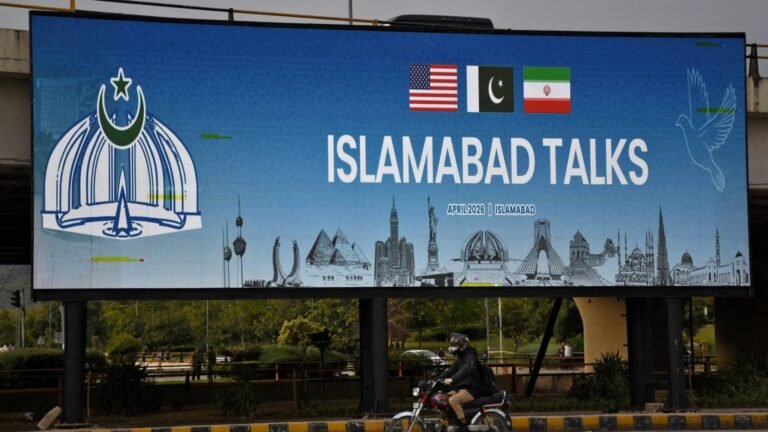
Washington – The White House announced that the United States is currently conducting serious discussions to hold a second round of direct negotiations with Iran. It is likely that the Pakistani capital, Islamabad, will host this new round, as part of ongoing diplomatic efforts to end the state of tension. Furthermore, the US administration believes that dialogue is the ideal path to address outstanding issues. Accordingly, the future of US-Iranian negotiations represents a vital focal point for drawing the map of new alliances in the region. In this regard, the international community is anticipating the tangible results these meetings might yield.
Ongoing Talks and Positive Prospects for Reaching a Final Agreement
White House spokesperson Karoline Leavitt confirmed that discussions with the Iranian side are still ongoing and productive. Obviously, there is a sense of relief prevailing within the US administration regarding the chances of reaching an agreement in the coming period. As a result, technical teams have begun studying the initial drafts that may form the cornerstone of any future understanding. In addition, the future of US-Iranian negotiations enhances the chances of regional economic stability through potential sanctions relief. However, some fundamental points remain pending, awaiting political decisions from high levels in both countries.
White House spokesperson Karoline Leavitt confirmed that discussions with the Iranian side are still ongoing and productive. Obviously, there is a sense of relief prevailing within the US administration regarding the chances of reaching an agreement in the coming period. As a result, technical teams have begun studying the initial drafts that may form the cornerstone of any future understanding. In addition, the future of US-Iranian negotiations enhances the chances of regional economic stability through potential sanctions relief. However, some fundamental points remain pending, awaiting political decisions from high levels in both countries.
Reports from Washington clarified that it is highly likely that Pakistan will host the next round of talks. This step comes if final understandings are reached regarding the necessary logistical and diplomatic arrangements between the concerned parties. Accordingly, Pakistan emerges as an acceptable mediator capable of providing a neutral environment to manage this complex file. On the other hand, the choice of location reflects Washington’s desire to involve regional powers in supporting the future of US-Iranian negotiations. In the same context, the Pakistani role contributes to bridging viewpoints and reducing the deep trust gap between the two sides.
International Efforts to Contain Tensions and Enhance Regional Stability
These diplomatic moves fall within broader international efforts aimed at containing tensions associated with the Iranian file and its regional interactions. Obviously, active international parties are striving to find negotiated solutions that contribute to reducing the intensity of military escalation. As a result, the future of US-Iranian negotiations gains double importance as it affects the security of waterways and global energy markets. In addition, US diplomacy is betting that the agreement will reintegrate Iran into the international system under terms that guarantee collective security. Ultimately, the success of this path will remain dependent on the seriousness of the parties in making mutual concessions that serve lasting peace.