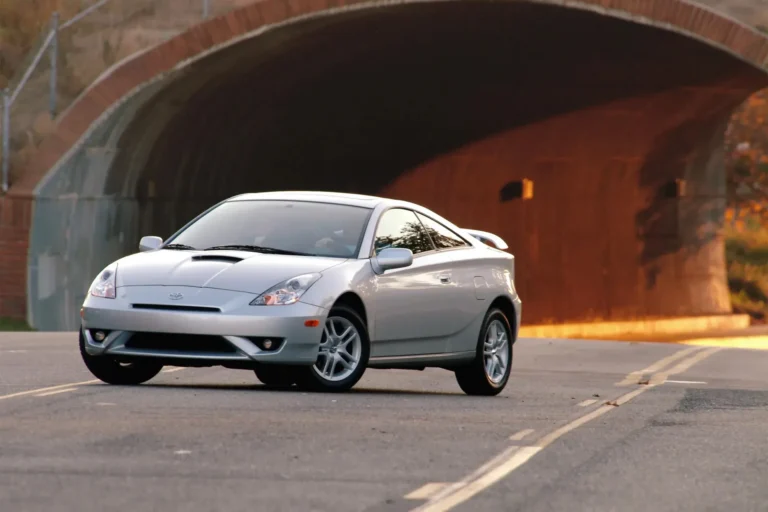
Toyota is moving at an accelerated pace towards reviving the famous Celica model, after many years since its production was halted. This strategic step aims to enhance the Japanese giant’s presence in the sports car market, amid strong indications confirming that the new generation has already entered advanced stages of development and testing in preparation for its official launch in the markets in late 2026 or during 2027.
Developing a New High-Performance Generation with Gazoo Racing Touches
Prominent officials at Toyota, including the Technical Director and Executive Vice President, confirmed that work is underway to develop a completely new generation of the Celica to return as a high-performance sports car, benefiting from the extensive experience of the Gazoo Racing division, which specializes in motorsports. Expectations indicate that the returning icon will rely on a new 2.0-liter turbocharged engine, generating power ranging between 400 and 450 horsepower, with the possibility of some special editions reaching around 600 horsepower, in addition to being equipped with a permanent all-wheel-drive system that revives the glories of the historic GT-Four models.
A Design Inspired by the Past and Equipped with Future Technologies
The new design of the Celica is expected to combine its deeply rooted classic identity with the bold modern touches currently adopted by Toyota, through a low coupe body, sharp aggressive lines, and slim LED headlights, with the introduction of radical improvements in aerodynamics to enhance performance levels and stability at high speeds. It is also likely that the car will benefit from the company’s latest innovations in suspension and steering systems, leaving the door open to offering a hybrid or fully electric version in the future, in line with Toyota’s strategy aimed at reducing carbon emissions without compromising exceptional sports performance.
Anticipated Competition and Expanding the Sports Car Family
Through the relaunch of the Celica, Toyota seeks to expand its sports car family to join the GR Supra and GR86 models, taking advantage of the massive popular legacy the car achieved from its initial launch in 1970 until its production lines stopped in 2006. Automotive market analysts believe that the success of the new Celica will fundamentally depend on its superior ability to combine its rich history with the requirements of drivers in the modern era, especially with the growing trend of global car companies towards reviving classic models that have left an indelible mark on the history of the industry.