
“Mustard gas” is considered one of the most dangerous chemical weapons in modern history. Since its introduction, it radically altered combat methods and military tactics during World War I. The terrifying impact of this weapon was not limited to immediate casualties; it left devastating, long-term humanitarian and health impacts on tens of thousands of soldiers and civilians. Its use marked a pivotal turning point in the history of warfare, later compelling the international community to take decisive action to ban chemical weapons.
A Terrifying Debut on the Battlefield
Mustard gas made its first battlefield appearance in 1917 when the German army used it against Allied forces near the city of Ypres in Belgium. Unlike some other toxic gases whose rapid effects are limited to asphyxiation, mustard gas caused severe and agonizing burns to the skin and eyes, alongside profound damage to the respiratory system. What made it even more lethal was that its symptoms often delayed for hours after exposure. This delay meant many soldiers inhaled it and were exposed to fatal doses without realizing the imminent danger in time.
Prolonged Contamination and New Defensive Tactics
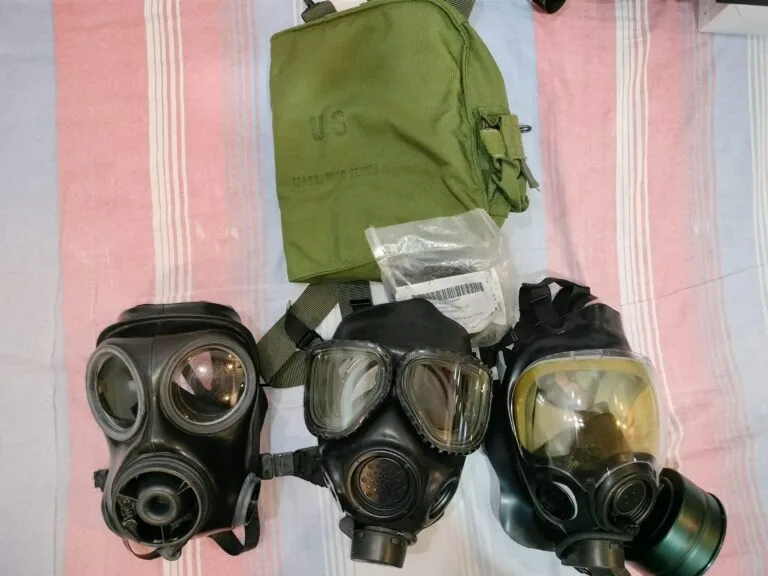
This weapon earned its horrific reputation due to its extreme ability to linger and settle in soil, surfaces, and equipment for extended periods. This chemical stability meant it continued to threaten military forces long after the initial attack had ended, severely complicating logistical movements and supply operations within combat zones. The heavy deployment of the gas forced armies to develop new tactical and defensive measures to protect their troops, most notably the invention of gas masks and the design of specialized clothing resistant to chemical penetration.
Human Casualties and Chronic Health Complications
During the years of World War I, mustard gas caused massive numbers of soldiers to suffer extremely critical injuries, including temporary or permanent blindness, highly painful skin blisters, and severe pulmonary damage. The suffering of the victims did not end with the war’s conclusion; it extended for decades, as many survivors suffered from chronic health complications and respiratory diseases that plagued them for the rest of their lives.
An International Path to Legal Prohibition
Despite the catastrophic and bloody reputation of this weapon, its use did not entirely cease after the end of World War I, with several instances recorded in subsequent military conflicts. This triggered repeated and escalating international condemnations, strongly pushing forward global efforts to prevent the proliferation of chemical weapons. Faced with these devastating effects, the international community moved to enact a series of strict treaties, starting with the 1925 Geneva Protocol, and culminating in the “Chemical Weapons Convention” (CWC), which entered into force in 1997. This historic convention obligates member states to ban the development, production, stockpiling, and use of these weapons, and mandates the destruction of all stockpiles under strict international supervision and inspection.
A Dark Legacy and a Humanitarian Achievement
Military history experts agree that mustard gas was not merely a new weapon of its time; it represented the spark that ignited a highly dangerous phase of the chemical arms race. Conversely, this weapon solidified a firm international conviction that using toxic substances in warfare leaves behind humanitarian tragedies that transcend the boundaries of geography and time. Consequently, the global consensus to ban these weapons is classified as one of the most prominent and significant achievements of international humanitarian law in the modern era.