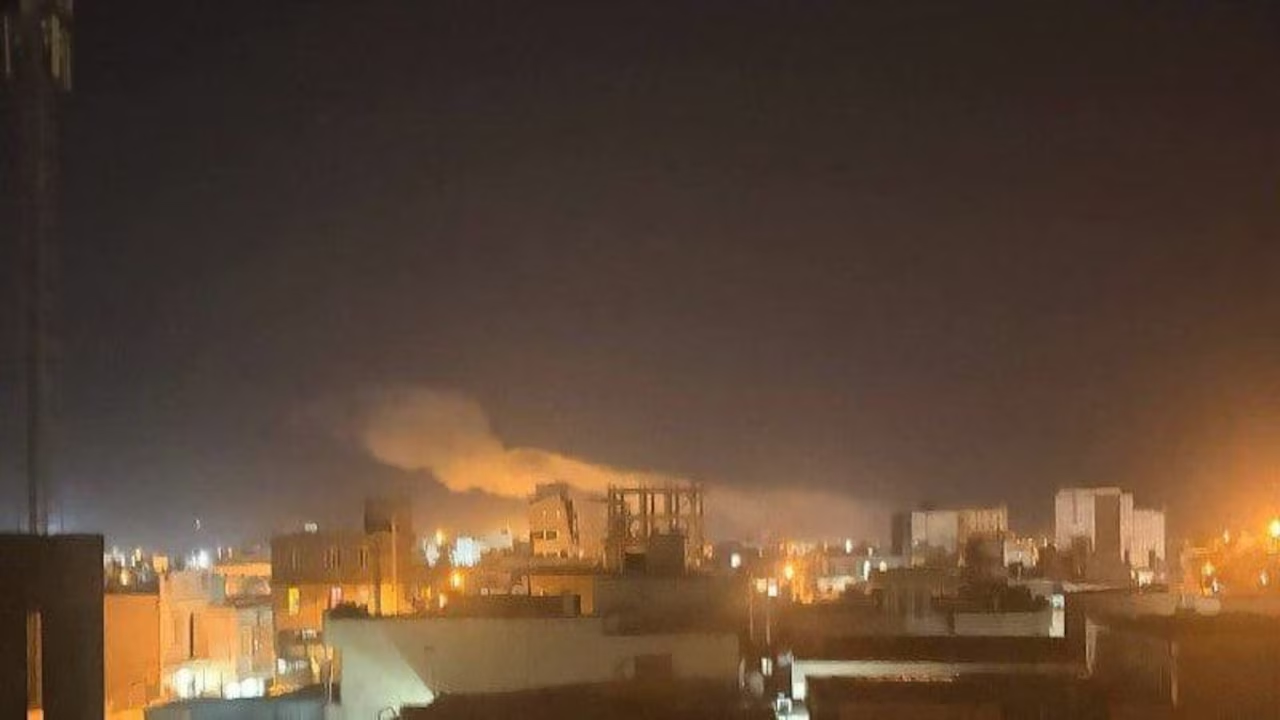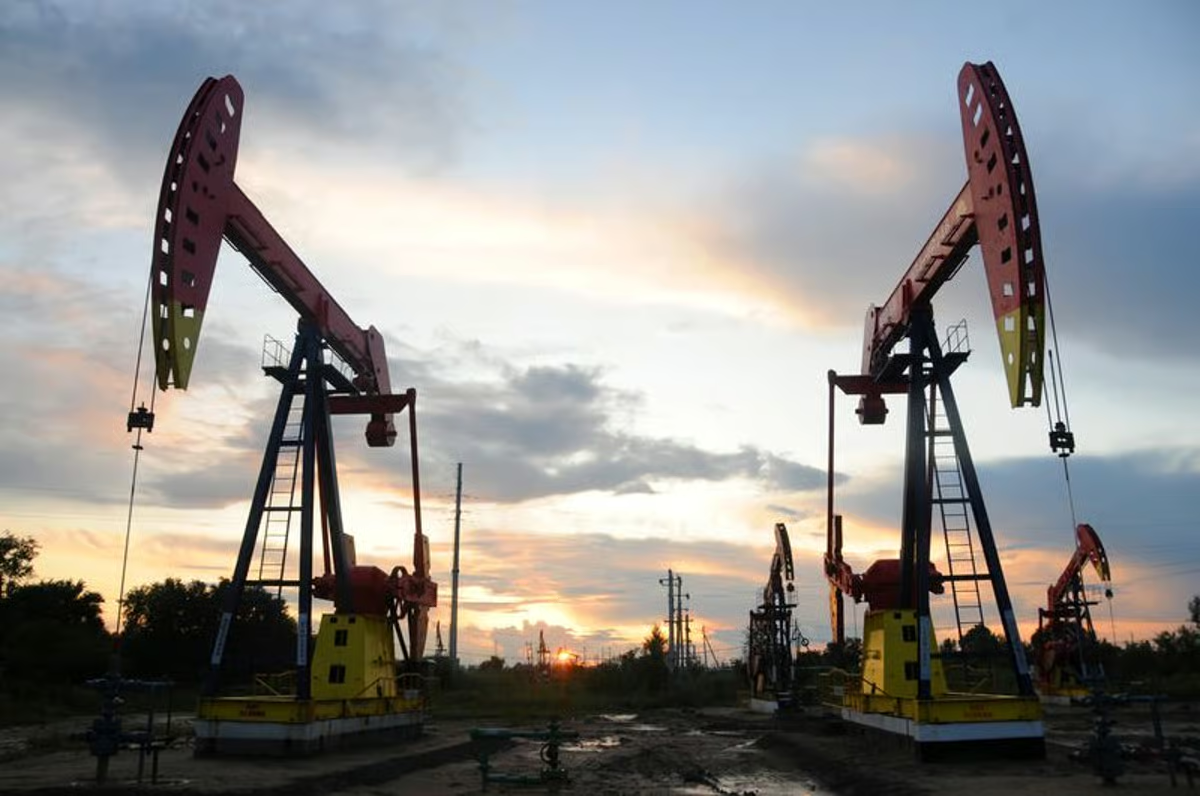
Global oil prices ended the week’s trading with a noticeable rise, supported by escalating geopolitical risks in the Middle East and growing concerns over supply chain disruptions. In this context, the Italian energy group Eni issued stern warnings that the continuation of the regional conflict could push the oil market beyond its current price range, threatening to spark a new wave of global inflation that would increase pressure on the international economy.
Weekly Gains Supported by Geopolitical Risks
Benchmark Brent crude contracts closed trading at $76.01 per barrel, while West Texas Intermediate (WTI) crude settled at $71.41 per barrel, recording weekly gains of 5.4% and 4% respectively. Economic analysts believe that markets are still pricing in the risk premium associated with ongoing tensions in the Middle East, amid persistent concerns about supply security, declining global inventories, and tightening fuel markets. This is accompanied by cautious anticipation from investors for any positive signs that might help contain the ongoing escalation.
Eni’s Warnings of Impending Global Inflation
Claudio Descalzi, CEO of the Italian group Eni, stated that the global oil market could break out of its current price range of $80 to $100 per barrel by the first quarter of 2027 if the conflict in the Middle East continues. Descalzi explained that the continued decline in strategic and commercial oil inventories could lead to a sharp rise in crude prices, which would inevitably reflect on global inflation rates and negatively impact general energy demand levels. He also emphasized that continued reliance on drawing down oil reserves does not represent a sustainable solution given the limited nature of those inventories.
Calls to Diversify Supply Sources and Investments
Eni’s CEO noted that the world is witnessing a tangible decline in oil inventories at an average of 3.8 million barrels per day, a figure that rose to 4.6 million barrels per day last May due to disruptions related to the Iranian war, which intensified pressure on the oil market balance. Descalzi stressed that enhancing global energy security requires urgent action to diversify supply sources and maritime and land transport routes. He called for the need to expand horizons of cooperation with producing countries in Africa, Latin America, and Southeast Asia to reduce reliance on regions most vulnerable to geopolitical tensions, pointing out that the accelerating growth in the use of artificial intelligence technologies and massive data centers increases the volume of global energy demand and reinforces the urgent need to inject additional investments into this vital sector.