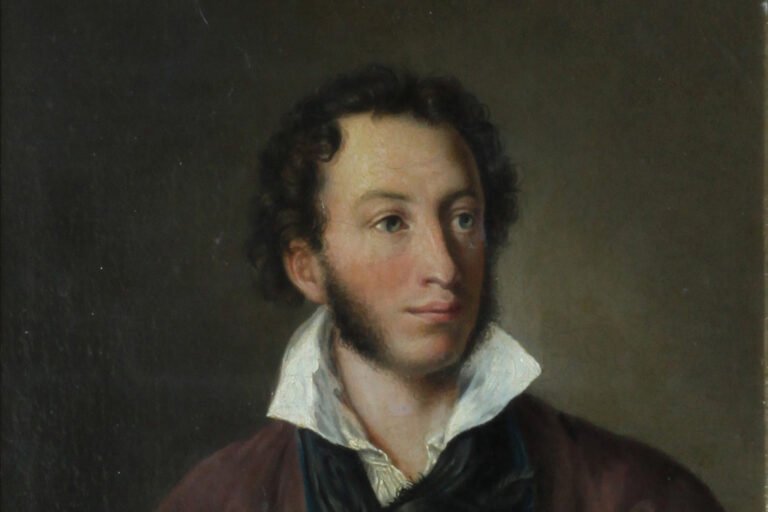
Moscow, Russia – Alexander Pushkin is viewed as the spiritual father of Russian literature. He is one of the most prominent poets who left an eternal mark. His works have influenced global culture deeply. His poetry and novels contributed to shaping literary identity. This happened for Russia during the nineteenth century. His works still hold a very special place. They are held in high esteem by readers and critics even today.
On the other hand, Alexander Pushkin was born on June 6, 1799. This was in the ancient city of Moscow. He grew up in a family belonging to the nobility. He showed exceptional talent from his early years. He excelled in creative writing and unique poetic style. He quickly caught attention with his innovative style. He combined sophisticated language with common people’s expressions. This helped strongly in developing and enriching the Russian language.
Creative Journey and Most Notable Works of Alexander Pushkin
In a related context, Alexander Pushkin presented immortal works. These works have become classics of world literature. Among the most prominent is the famous poetic novel “Eugene Onegin”. In addition to various poems, plays, and short stories. His works dealt with themes of love, freedom, and justice. They also portrayed human conflicts realistically and effectively. His writings were distinguished by their high ability to portray society.
Furthermore, Alexander Pushkin‘s life was not without troubles. He was subjected to severe surveillance in some periods. He also suffered from exile due to his free opinions. He had relationships with a number of intellectuals. They were the ones who demanded political reforms at that time. Despite the restrictions he faced in his life, he continued his literary creativity. This creativity cemented his position as one of the greatest writers.
Cultural Legacy and Tragic End of Alexander Pushkin
On another note, the poet became a national cultural symbol. His works inspired successive generations of writers. Many of his novels were also adapted in theater. His works flourished in cinema and global opera. Critics confirm that his influence exceeded the borders of Russia. It reached the world thanks to the wide translation of his works.
In conclusion, the end of his life witnessed a tragic, sad station. He died in 1837 affected by his injury in a duel. He passed away while he was thirty-seven years old. He left behind a very massive literary legacy. This legacy is still strongly present today. Alexander Pushkin remains a witness to literary genius. His works have exceeded the borders of time and place.