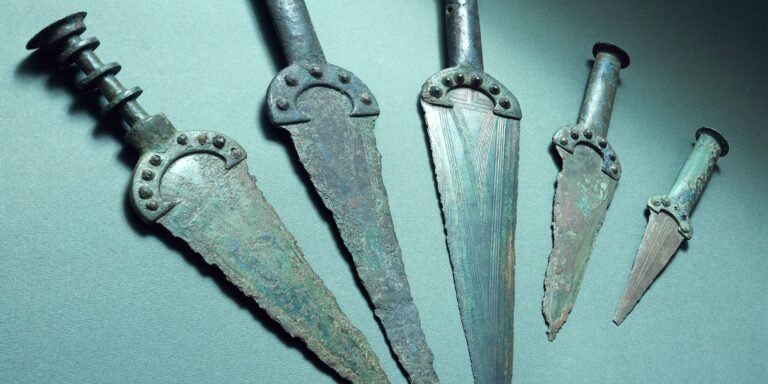
Budapest – Archaeologists in Hungary have announced the discovery of a rare collection of gold artifacts and historical tombs dating back approximately 3,500 years. This find is considered one of the most significant archaeological discoveries shedding light on Bronze Age civilizations and the nature of social and funerary life in ancient Europe, providing fresh insights into the evolution of early human societies.
Golden Craftsmanship and Funerary Rituals
The research team explained that the excavations yielded finely crafted gold pieces featuring intricate engravings, reflecting an advanced level of artistic and technical skill in metallurgy. The tombs also contained human remains and ornamental tools, revealing distinct burial rituals where precious items were placed alongside the deceased. This practice highlights the spiritual beliefs of the era and the elevated social status of the interred individuals.
Trade Networks and Cultural Exchange
Archaeology experts believe this discovery facilitates a deeper understanding of the trade networks and cultural interactions prevalent across Europe during the Bronze Age. Initial indicators suggest active exchanges of metals, tools, and decorative items between ancient communities over long distances. The excavation team is currently continuing analysis using modern laboratory techniques to determine the precise origins of the materials amidst significant global scientific interest.